



Belinda Whyte, herself an RT Lit, outlines the impact of the disestablishment of the role for students and schools.
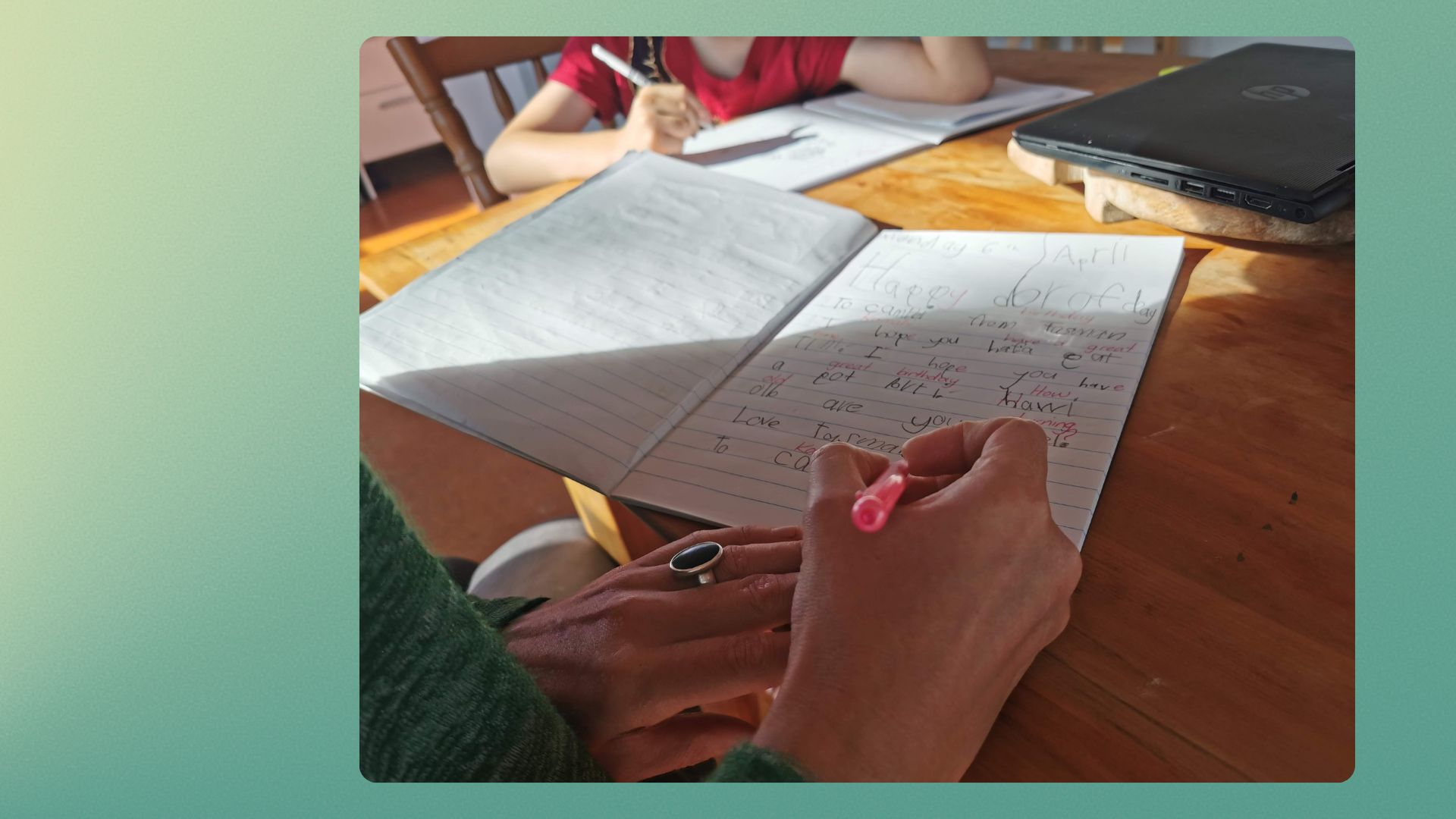
This article is called a ‘reckoning’ and that feels apt for what I’ve been asked to offer my reckons on. The reckless and foolhardy decision to disestablish the Resource Teachers of Literacy (RTLit) by the current government will bring about a day of reckoning in the education system. The Government rationalises this decision as a way to create more optimised and efficient frontline support and services for schools, claiming the current RTLit model is inequitably distributed, not achieving necessary coverage, and creates large-scale inefficiencies, with individual RTLit covering large areas with multiple schools in their clusters. Some of this is undoubtedly true, however, the solution to remove the service altogether is tantamount to pouring the champagne out with the cork. Research consistently shows that students with complex literacy difficulties benefit most from individualized, specialist interventions —a key component of the RTLit service that will be lost when this position is disestablished at the end of 2025.
RTLits are relatively unheard of by the public, mostly because if you don’t directly need one and work with one, you don’t really need to know we exist. We are a small group, with just 109 positions nationwide. This does mean that all of us work with multiple schools, and it is often necessary to travel distances to some. In our positions as trained literacy specialists we work closely with students, teachers, and school leadership to improve literacy outcomes for some of the most vulnerable learners in our education system.
I am the sole RTLit serving a large semi-rural region, supporting 16 schools. I have held this role for 9 years and feel immensely privileged to work with the amazing children in our area. It has been a dream job for me and one I have not taken lightly. I, like all RT Lits, take ongoing professional development seriously, making sure that I am up to date with current research in literacy teaching and learning. I work hard to build relationships with students, teachers, and whānau, and to build a strong base of local knowledge.
… we work closely with students, teachers, and school leadership to improve literacy outcomes for some of the most vulnerable learners in our education system
Generally, the RTLit service offers two types of support; indirect with teachers and direct with students. Direct interventions are designed to cater to students’ needs and interests and may not all look or sound the same. The major focus of RTLit work is intended to be indirect support, working collaboratively with classroom teachers to deliver appropriately designed learning opportunities within the classroom literacy programme for students on the RTLit roll. The goal of this is to build teacher capability to more effectively support lower-achieving students in the future.
In February this year the RTLits were shocked by the communication that landed in our inboxes that our service, along with the Resource Teacher of Māori service, was going into consultation with the possibility of disestablishment. In the same email we received information on surplus staffing, which is basically what happens when our jobs are gone. It immediately felt like a forgone conclusion. The consultation document provided to us with the reasoning behind this process cited issues with the RTLit service, many of which stemmed from an outdated 2014 operational and policy review. RTLits have spent years petitioning the Ministry of Education to address these issues, for example yearly data collection methods, which have never accurately reflected the true impact of RTLit interventions. Our recommendations have gone largely unheeded for years, so to have the weaknesses we have ourselves sought to rectify held up against us feels disingenuous.
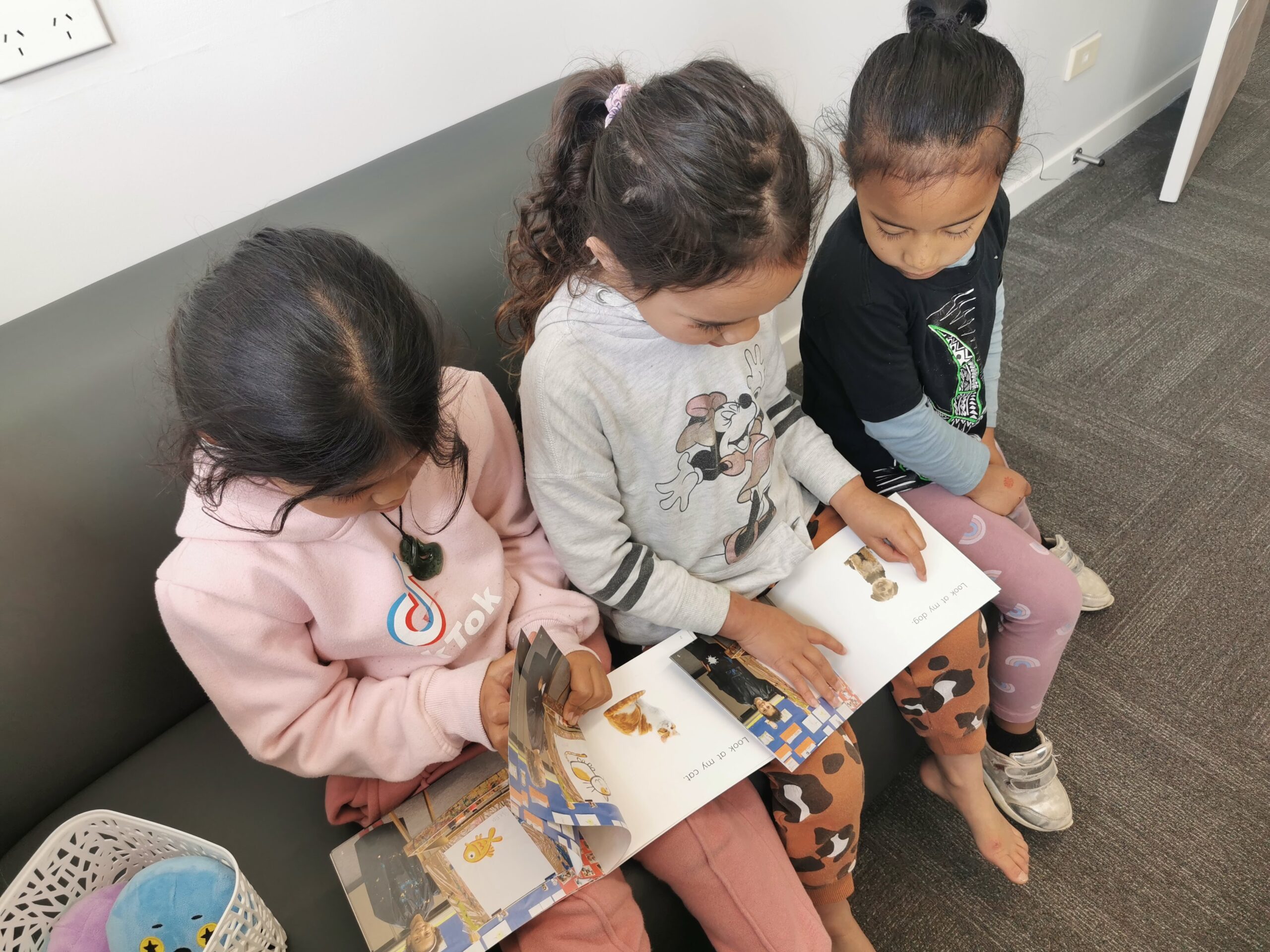
RTLits and their supporters mobilised rapidly after this communication in February—we had a mere three weeks to respond to the proposal. Over 2500 submissions in response were made by teachers, principals, school staff, parents, and whānau urging the Government to retain the RTLit service. There was overwhelming support for the work that we do with most (over 70%) reporting that the RTLit service had a positive and measurable impact on student literacy outcomes, especially learners with diverse or additional needs. The majority also expressed concern that removing the RTLit service would result in a loss of literacy expertise, especially in structured literacy, where many RTLits have led national implementation. The small number of respondents who reported inequities, such as inconsistent access or limited awareness of the service in their area, merely emphasises the need for a service of this kind.
The RTLit service has brought expert literacy support to many schools that would otherwise go without, giving them access to specialist help without needing to hire full-time staff. RTLits are bound to respond to all referrals received and, in my experience, will go above and beyond to find some way to help, even if travel makes regular direct support difficult. We are problem solvers and seek to find a way for all our students. Some RTLits have waiting lists simply because they are so in demand.
we heard it in the news before the outcome of the consultation was sent to us …
While it seems probable now that the decision had already been made (we have now seen proactively released documents on the matter), we were made to wait to hear it. Four months of stress and worry and feelings of hopelessness. Finally, we heard it in the news before the outcome for the consultation sent to us by the Ministry. The Government announced in the 2025 Budget their plan to reinvest RTLit service funding into the ‘frontline, closer to the child’ services. Frontline service is exactly what RTLits do and who we are. The RTLit service delivers targeted, evidence-based literacy interventions—one-on-one or in small groups—for students with significant and persistent literacy challenges. These individualised programmes help students build essential skills, confidence, and renewed engagement with learning, often from starting points years below expected levels.
Alongside this direct work with students, RTLits collaborate with teachers and school leaders through professional development, consultation, and resource support. It’s this combination, working directly with students and indirectly with teachers, that makes the RTLit model so effective. After nine years in this role, I know that the insights gained from working directly with students are essential for informing and enhancing our advisory work. This depth and duality of expertise is not replicated in purely advisory roles.
In addition, RTLits source, curate, and share specialised literacy resources that benefit not only individual learners but whole-class teaching. Removing this role will strip schools of vital expertise, diminish access to high-quality resources, and severely impact our most vulnerable learners.
The reasoning behind the RTLit positions being cut is hard to determine. Could it be that RTLit expertise will shed light on potential failures and inadequacies that may occur with the government’s rushed roll-out of structured literacy training and mandates? Disestablishing the service will make $40 million available over four years. The removal of RTLits may allow for the expansion to structured literacy training for schools, which was announced in early 2024 and again in the 2025 budget. However, many RTLits have been instrumental in this expansion, so removing them for this reason seems counter intuitive. Erica Stanford stated in the consultation document, ‘We are moving towards a more targeted and optimised workforce model, and our focus is to build more in-school capacity of specialist teachers to work directly with children.’ Surely the RTLits could have been utilised as a ready-made, expert workforce in this new model?
We have been told that funding from the RTLit model is being reinvested to deliver multi-tiered, in-school supports to accelerate student progress and enable further expansion of existing initiatives like structured literacy approaches, staffing, and learning support interventions. Much of this was already happening, so this could be a case of moving funding around rather than any new investment in literacy education. The bulk of this funding is likely to go to private companies who deliver professional development.
The number of RTLit positions has remained unchanged since 2001, despite significant population growth, increasing literacy challenges, and exponential change in the digital arena.
The sensible solution to any perceived gaps in the RTLit service was not to remove it but to expand it. The number of RTLit positions has remained unchanged since 2001, despite significant population growth, increasing literacy challenges, and exponential change in the digital arena. Rather than getting rid of these vital roles, the Ministry should have invested in more RTLit positions, ensuring every struggling student has access to the expert support they need throughout their schooling years. Expansion would also address logistical challenges, like travel time between schools, something frequently raised as a sticking point by critics, allowing RTLit specialists to dedicate more time to student support.
There is currently no clear replacement offered for the RTLit service. Short-term professional development for teachers or teacher aides to implement school or classroom-based interventions to support struggling learners is probable, yet this will not be a viable substitute. Research shows this type of professional learning rarely leads to sustained change in teaching. While it is beneficial for classroom teachers to undertake professional development, including the training the Government has already rolled out in structured literacy approaches, this cannot be a replacement for the multi-faceted work that RTLits do, using a variety of educational sciences and evidence-based approaches. Already overburdened classroom teachers will be left to manage complex literacy interventions without sufficient time, training, or the expertise required to do so effectively. It appears that we may get something of lesser quality with less flexibility for our learners.
Already overburdened classroom teachers will be left to manage complex literacy interventions without sufficient time, training, or the expertise required to do so effectively.
No matter how strong Tier 1 (regular classroom teaching) and Tier 2 (small group interventions) literacy support systems are, there will always be students who will require ongoing intensive, individualised support, and possibly a different approach, at Tier 3 (further interventions, such as RTLit) and beyond. The education system surely should be aiming to get all students thriving in literacy through whatever pathway works for those individuals. After all, effective teaching of literacy was part of the Government’s priorities for improving achievement, as they stated in May 2024.
The Education Union NZEI has now filed for a judicial review on the handling of the disestablishment of the resource teacher services. The RTLit executive committee and NZEI have been working extremely hard to make this happen and we hope that sense will prevail. Our ākonga deserve equitable access to high-quality literacy support, and removing the RT Lit service will have lasting consequences for their education and future opportunities. The run on effects of illiteracy are social and economic disadvantage, with the associated social and economic costs for the country.
Eliminating the RTLit service will widen existing inequities and leave our most vulnerable learners behind.

Belinda Whyte
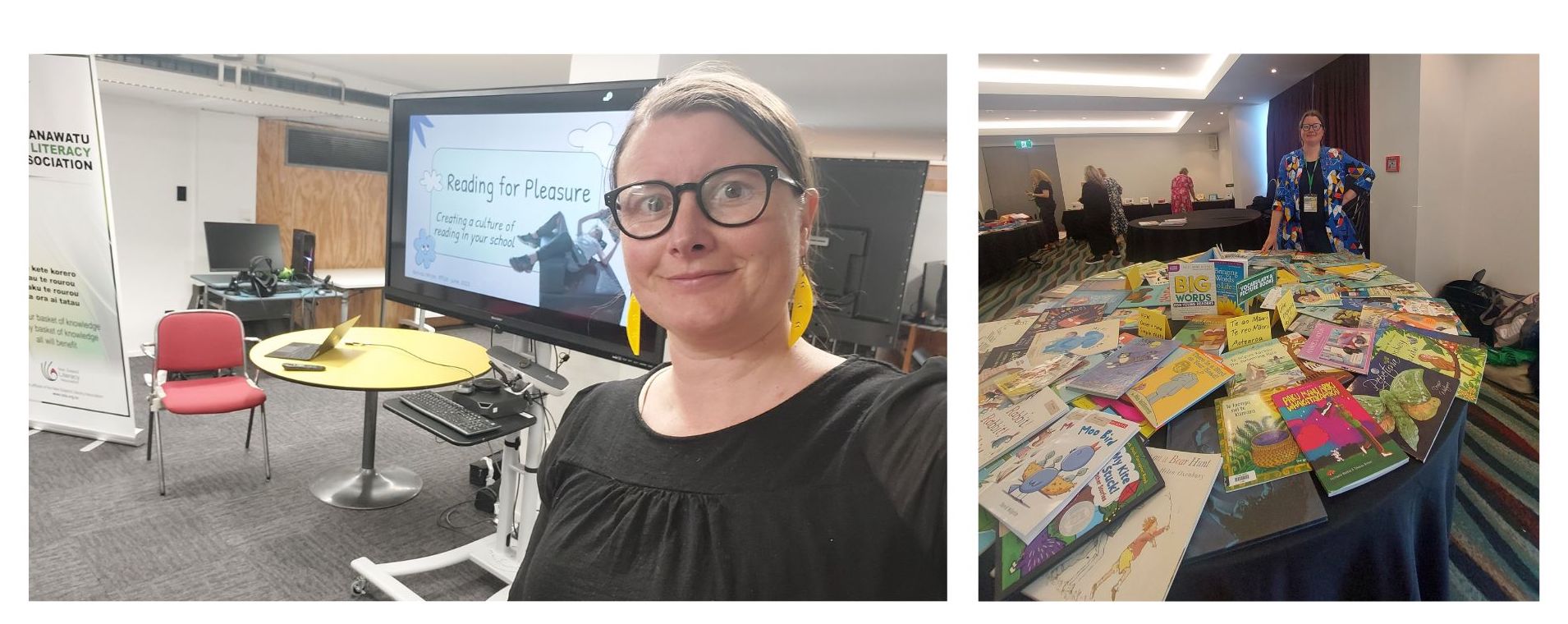
Belinda Whyte is the Resource Teacher of Literacy for the Horowhenua region, based in Levin. She is passionate about helping students to love literacy and enabling them access to good books and effective instruction. As a judge of the 2024 New Zealand Children and Young Adult’s BookAwards, she relished being able to indulge in her love of books and reading.