


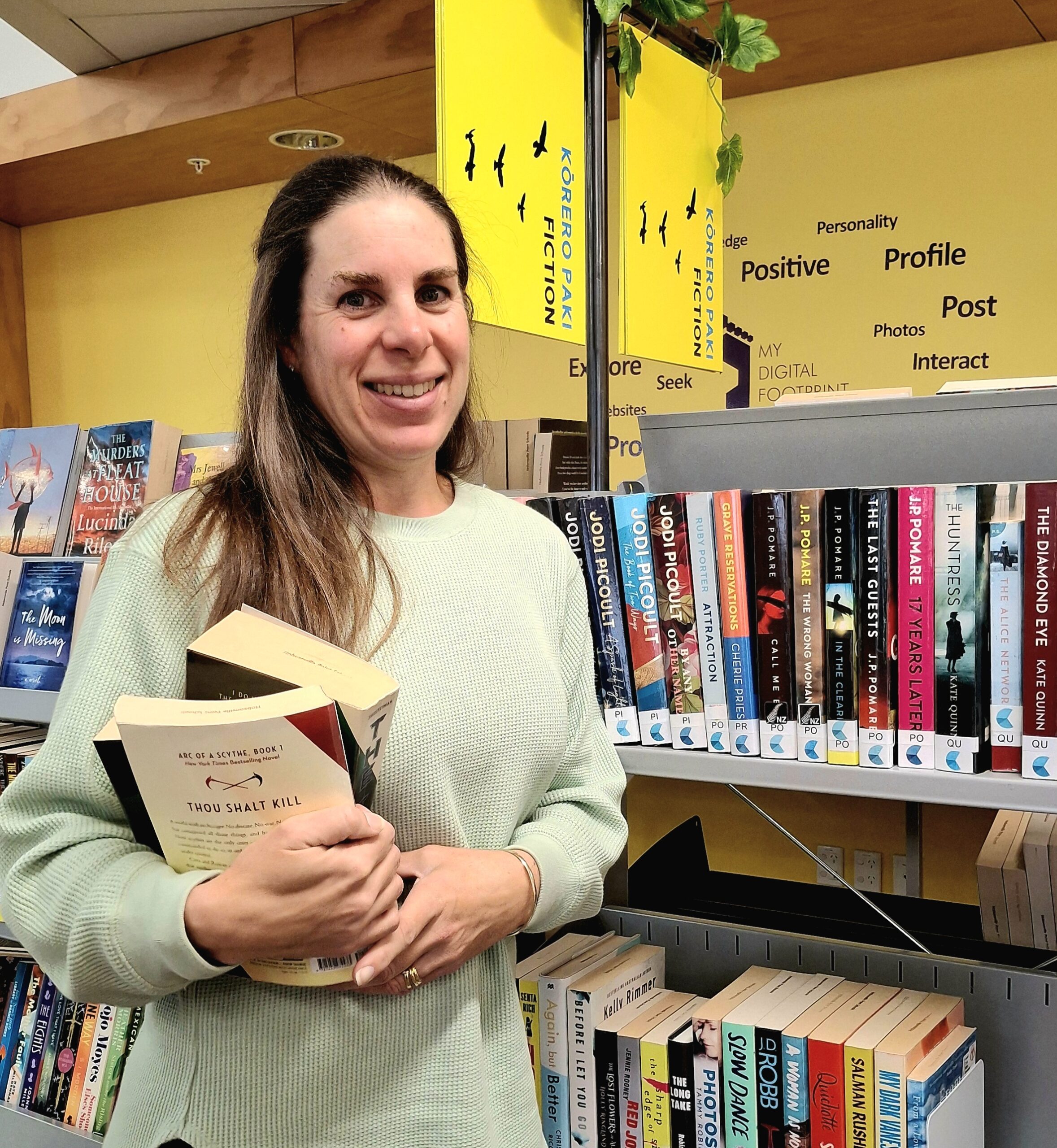
Rochelle Turnbull and Julia Smith share SLANZA’s research on the scarcity of libraries within New Zealand schools, and the impact that has on our children.
It may surprise you to learn that not every public school in New Zealand has a school library. Indeed, it is more likely that a school doesn’t have one.
New research has exposed significant, widespread inequities and disparities in access to school library services across Aotearoa, revealing hundreds of thousands of students are missing out on the resources they need to succeed.
Having a library space, resources and a librarian to support curriculum teaching and learning, student wellbeing, and reading for pleasure, were frequently identified as key benefits for students in this latest research, conducted by the New Zealand Council for Educational Research (NZCER) on behalf of the School Library Association of New Zealand Aotearoa (SLANZA) and National Library Services to Schools.
However, students attending small schools, rural schools, as well as those in communities facing higher socio-economic challenges, are disproportionately affected, often unable to access school library spaces, a librarian, or resources.
It is no coincidence that declining literacy rates have coincided with sustained under-investment, devaluing and neglect of school libraries in Aotearoa
Compounding these inequities, the research highlights clear disparities between the expectations of school leaders and their ability to provide access to a library and a specialised librarian. While many principals recognise the vital role that libraries and specialised librarians play in supporting student learning and wellbeing, insufficient funding and competing priorities, such as increasing rolls requiring the library to be turned into classroom space, often prevent these goals from being achieved.
Currently, school libraries and library staff are funded through operational funding for schools. There is no specific provision or ring-fenced budget for the library; funding is allocated at the discretion of the Board of Trustees and the Principal. It is no coincidence that declining literacy rates have coincided with sustained under-investment, devaluing and neglect of school libraries in Aotearoa. Dedicated funding is not a luxury—it is essential to ensure every student, regardless of their postcode, has equitable access to the resources and support that a well-resourced school library provides.
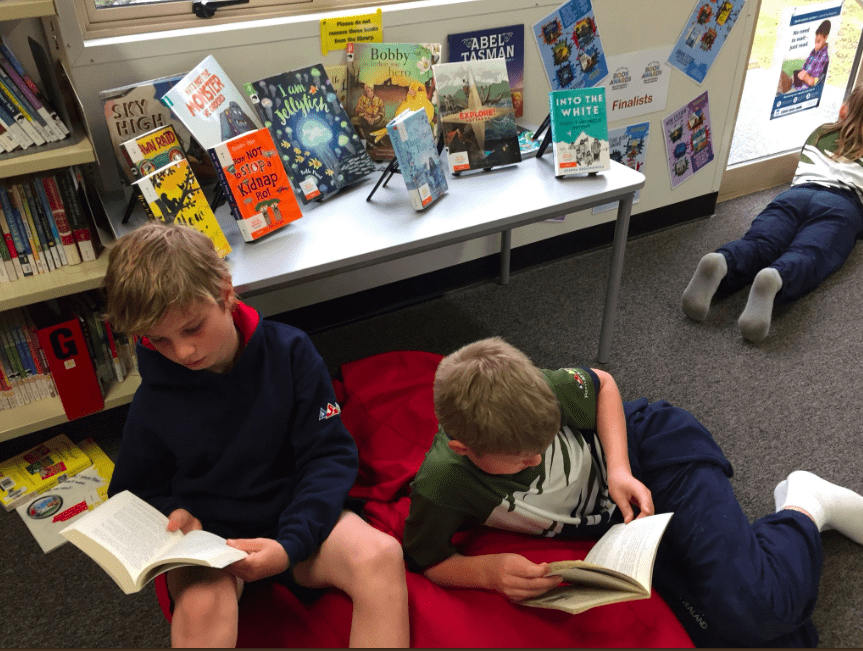
The Education Minister stated in a speech in May 2024 that New Zealand’s education system should be the great equaliser, and that your means should not determine your destiny. School libraries are the greatest equaliser. Equitable access to books is crucial to any child’s literacy and learning success, underpinning success in all aspects of their learning journey, be that literacy, numeracy or their wellbeing.
School libraries are equity champions.
The argument that public libraries could replace school libraries is flawed. Public libraries are not equally accessible to all, as not every community has a public library. Even where they are available, many students may come from whānau who may not have the capacity or resources to prioritise regular visits. Schools face logistical and financial challenges to off-site travel. By contrast, school libraries offer equitable and consistent access to books, resources, and literacy support within the school day, ensuring every student has the opportunity to thrive.
There is also a strong focus in education on student wellbeing and mental health. The library plays a vital role in this area. It is a place where students aren’t judged. A place where they can be themselves. A place to relax. A place to just be. A safe place. An inclusive place. Do not underestimate the importance of libraries as a ‘place’. With the closing, or downsizing, of many school libraries, this important facet of student wellbeing is being lost, and denied to many.
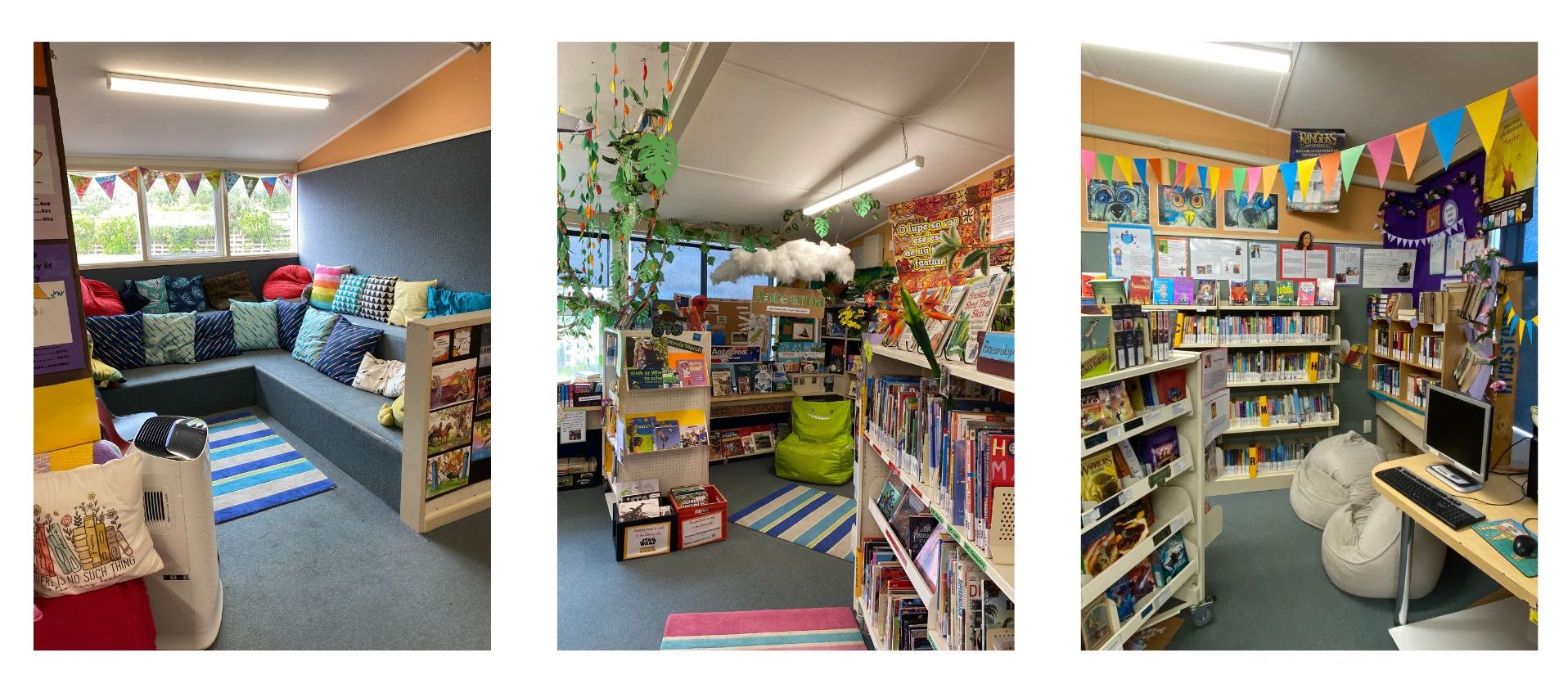
Likewise, in supporting teachers in the delivery of the curriculum, school librarians ensure that the building blocks of structured literacy are strengthened by developing reading for pleasure. The government has promoted structured literacy as the primary solution to address our declining literacy rates. However, students need access to engaging books to consolidate their progress once they have progressed from ‘learning to read’ to ‘reading to learn’, and consequently instill in them the enjoyment of reading for pleasure. There is a significant distinction here. Students need something to read, something that appeals to them, once they’ve learned to read.
School librarians are literacy professionals. They know how to put that ‘Goldilocks’ book in your hand, the book that is ‘just right’, the book that nurtures reading for pleasure, the book that you’re guaranteed to love after finishing the latest in the Diary of a Wimpy Kid or One of Us is Lying series, the book that consolidates literacy success after those initial years of learning to read.
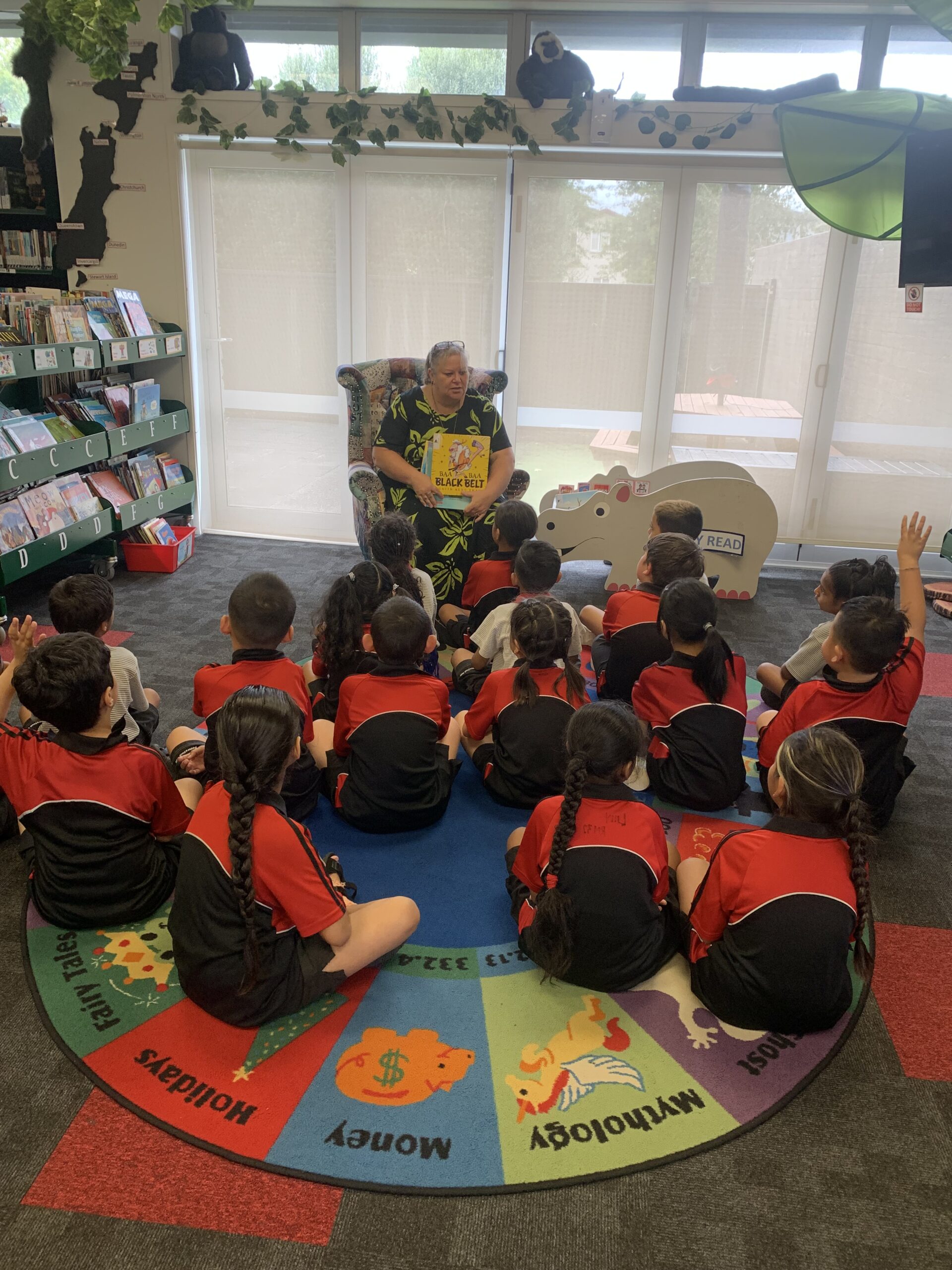
Additionally, where do tamariki Māori and Pacific learners see themselves in literature if there is no one to curate a responsive collection or funding to create this collection? A collection that reflects their Māori and Pacific identities and aspirational heroes, which inspire them to read?
School librarians’ expertise, enthusiasm, and ongoing support play a crucial role in promoting diverse and engaging collections of books that support reading progress and foster reading for pleasure. This type of reading is vital to improving literacy and learning outcomes, developing imagination and empathy, and increasing critical thinking skills and emotional wellbeing. SLANZA is concerned that without access to school libraries and specialised librarians to promote and encourage reading for pleasure, the potential of literacy programmes will always be limited. To achieve the government’s target of 80% of Year 8 students reading at or above curriculum level by 2030, investment in school libraries must be part of the solution.
All students in Aotearoa New Zealand deserve a school librarian in their lives.
It is woeful that students attending small schools, rural schools, and communities facing higher socio-economic challenges are being denied fundamental resources and support.
SLANZA urges the government to mandate that every student have access to a well-resourced school library, a specialised librarian, and ring-fenced funding to ensure that all students will have equitable access to the resources needed to achieve their reading and learning potential.
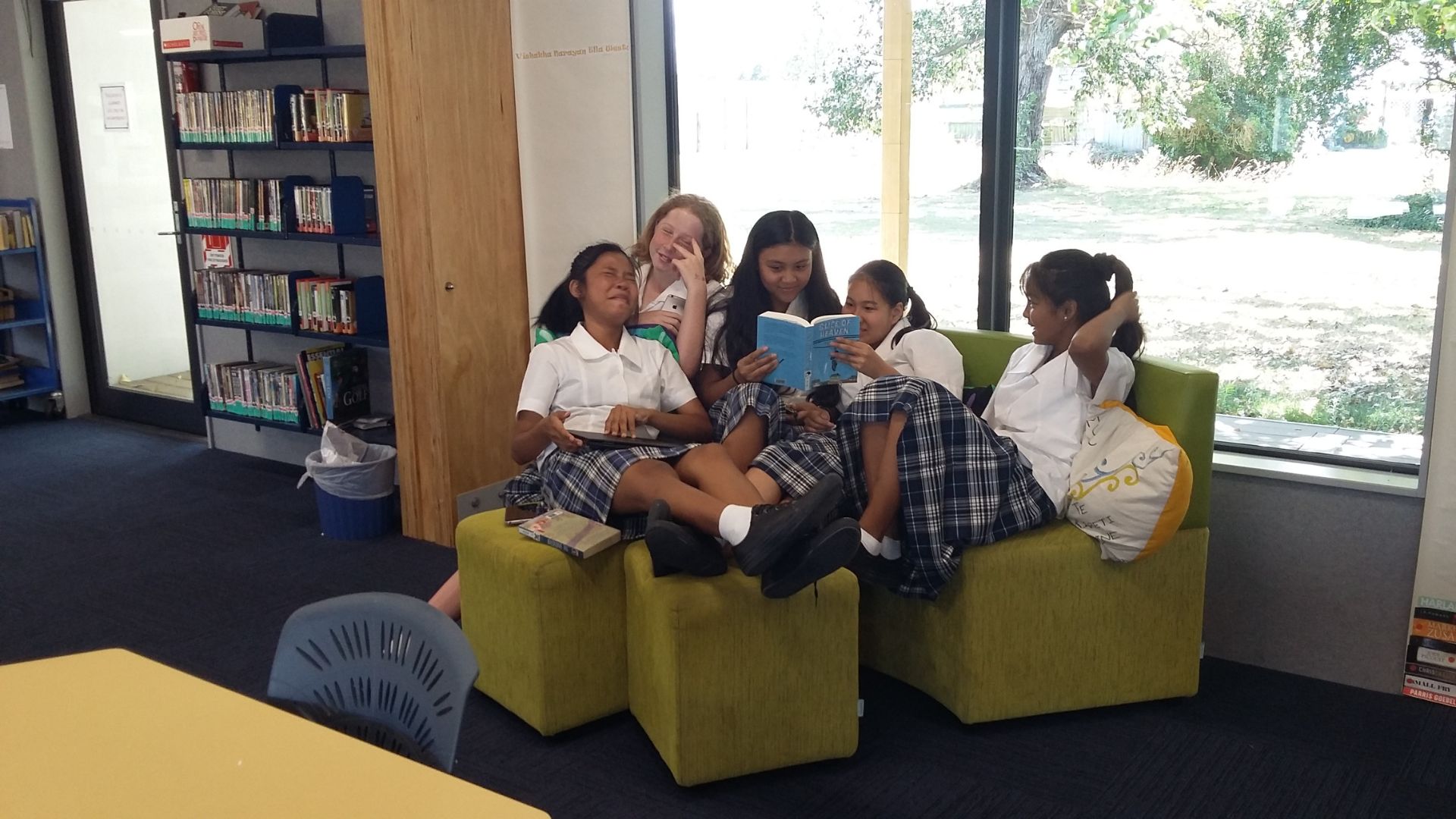
Cover image: students reading for pleasure at Marlborough Girls’ College. Photo courtesy of Colleen Shipley.

Rochelle Turnbull
With a passion for advocacy, Rochelle worked in the public relations and communications industry before retraining and becoming a school librarian in 2017. She is currently the Library Leader at an Auckland high school. As SLANZA’s Advocacy Ohu Mahi Lead, Rochelle has been the driving force behind highlighting the importance of school libraries to MP's and decision-makers for many, many years, including consistent advocacy efforts with the current Minister of Education, Erica Stanford.

Julia Smith
Julia is the librarian at Kerikeri High School. A SLANZA Te Tai Tokerau committee member for nearly twenty years, a National Executive member for eleven years, ten of those as Communications Lead, and SLANZA co-president between 2017–2019. Julia stepped down from National Executive in April this year. However, she is once again chairperson of SLANZA Te Tai Tokerau, and enjoys the challenge and connection of being on the SLANZA Advocacy Ohu Mahi team to inform and influence decisions within political, economic and social institutions that can affect or create change in the school library sector.