


Louisa Woods reviews Wildling Books’ new offering for teens
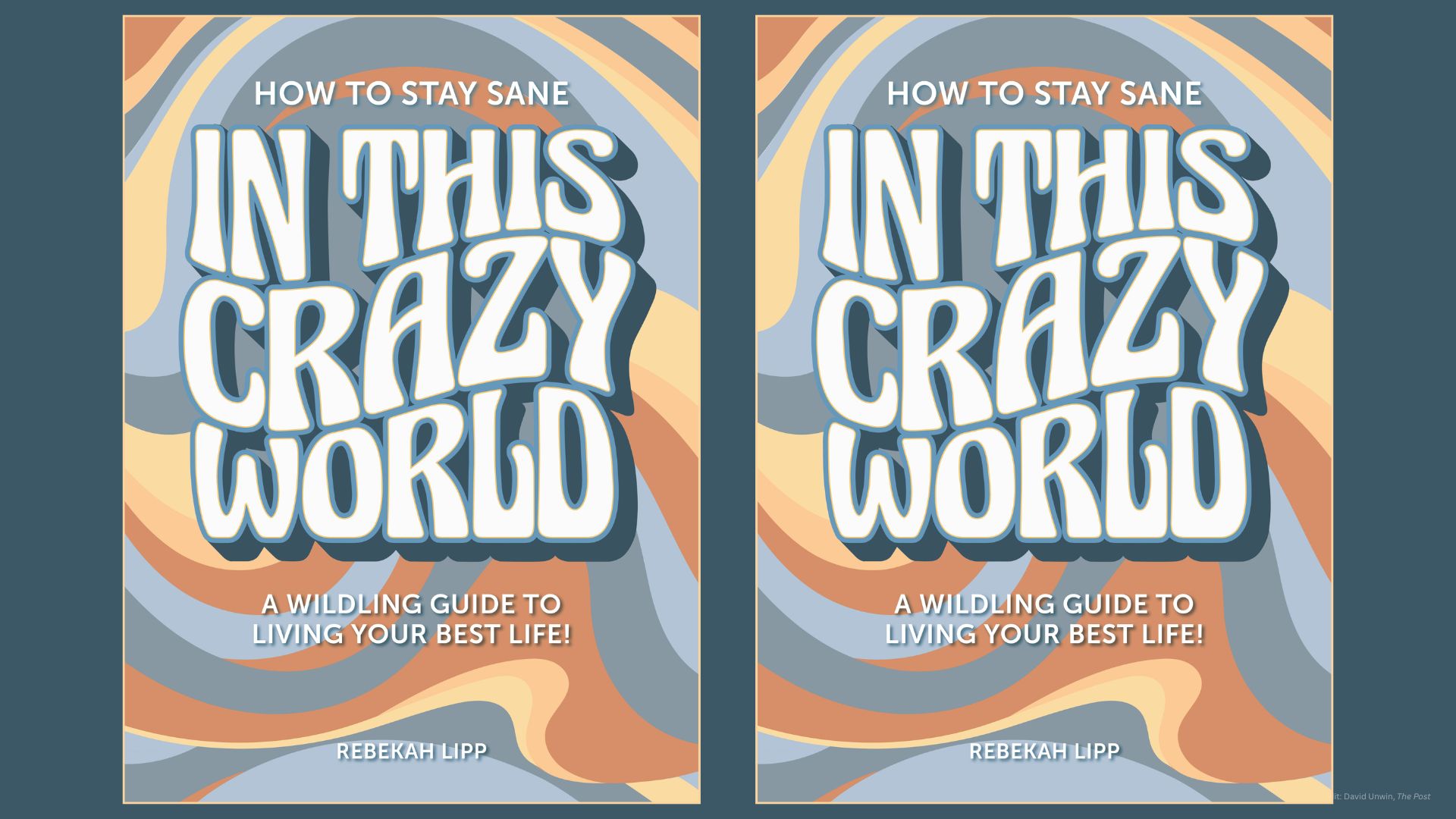
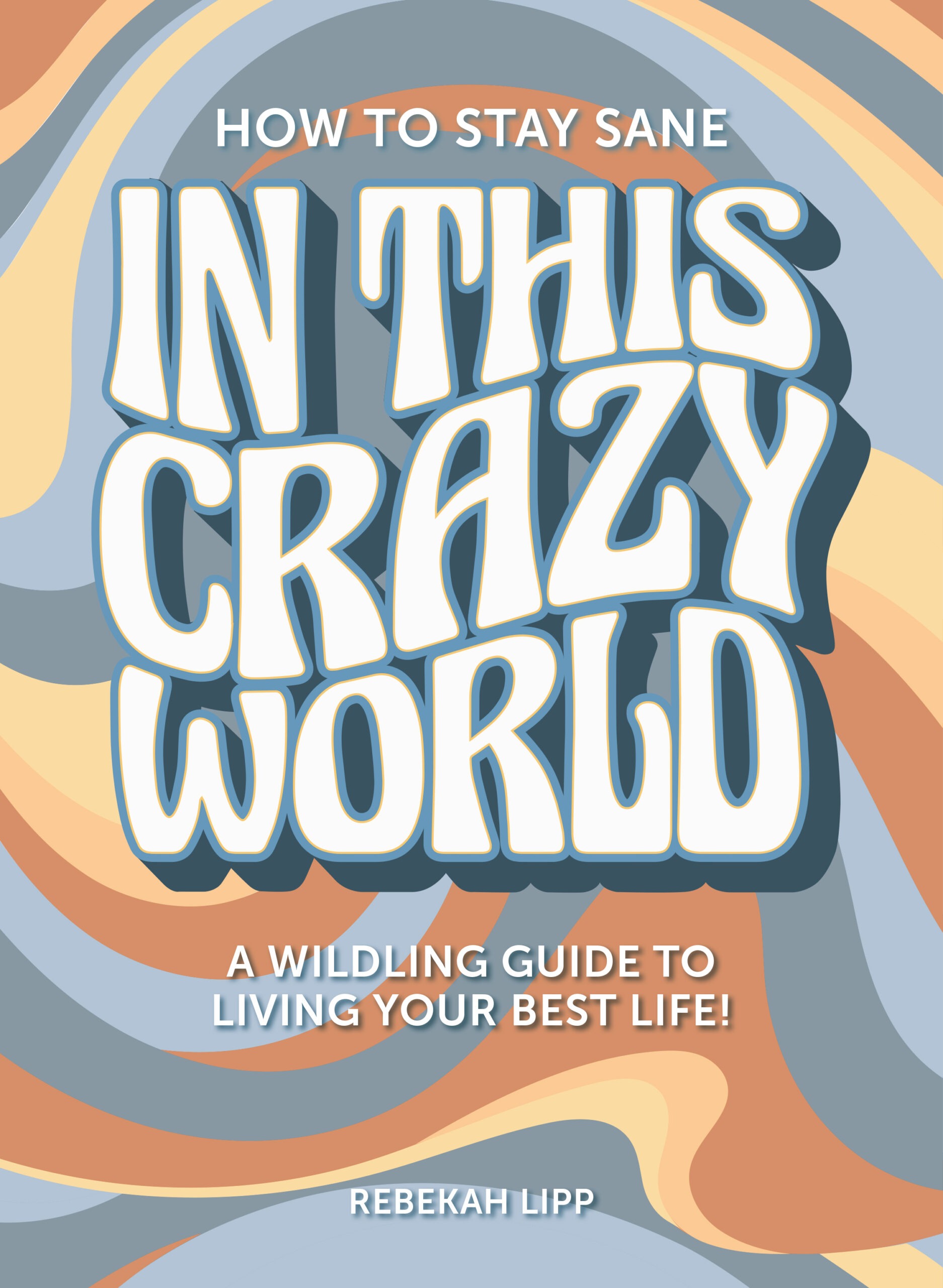
Rebekah Lipp and Wildling Books have developed a reputation for publishing books that are warm, thoughtful, and genuinely useful. How to Stay Sane in this Crazy World: A Wildling Guide to Living Your Best Life continues that tradition, this time with a different focus. While books like Let it Flow and How Do I Feel aim at supporting children with emotional regulation, in this book, Lipp expands her audience to teenagers and adults and explores additional elements of wellbeing, resulting in a gentle, practical resource for people navigating the complexities of modern life. In a world that often feels overwhelming, this book invites readers to slow down, tune in, and find what nourishes them.
Drawing from her own experience of feeling lost, isolated, and unwell, Lipp shares a range of strategies and suggestions that she found helped her most when she needed it. Because of this—and part of the appeal of this book—Lipp doesn’t write as an expert with all the answers, but as a fellow traveller, walking alongside you on your journey to wellness. Her writing is conversational and affirming. She is open about her own experiences and never assumes that what worked for her will work for everyone else. In fact, one of the strongest ideas woven through the book is the importance of being curious about your own thoughts, feelings, behaviours, and needs, and then using what you learn about yourself to work out what’s genuinely useful for you. Lipp reminds us that every person is different, and that our strategies for wellbeing will reflect that.
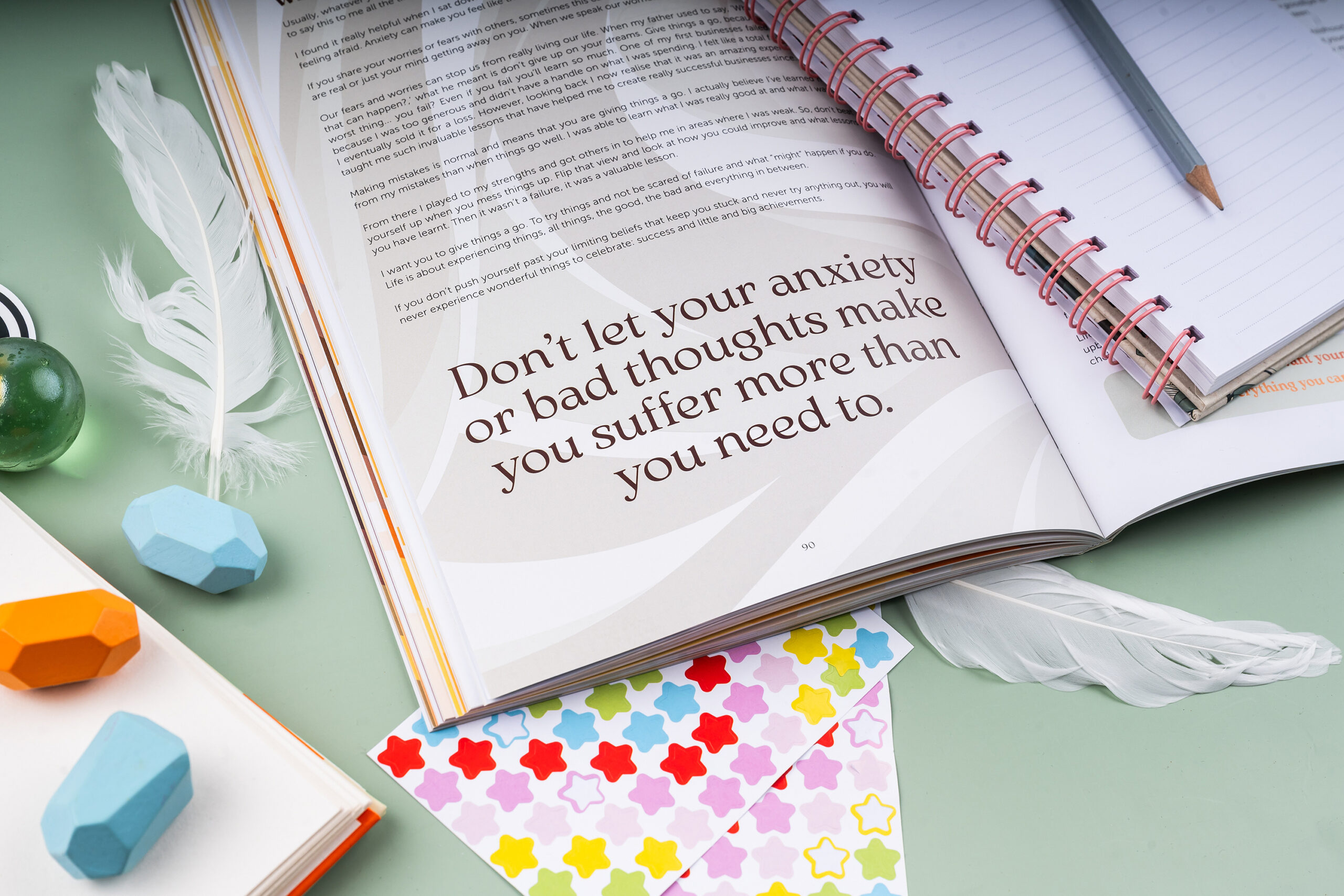
Beautifully presented—as we’ve come to expect from Wildlings’ books—and clearly laid out in a series of short chapters, Lipp covers topics like sleep, gratitude, creativity, movement, and connection with nature, discussing their relationship to wellbeing and suggesting strategies connected to each topic. She shares practices such as mindful breathing, reframing unhelpful thoughts, and building small routines into daily life in a friendly and down-to-earth way that makes them feel doable. Lipp also emphasises the impact of simple pleasures and creativity in our lives, presenting them not as indulgences but as an essential piece of the puzzle when we’re looking at what keeps us well. In a world that often seems to value productivity above all else, her invitation to create, play, and rest feels powerful.
Throughout the book, readers are prompted to pause and reflect. Reflection questions are interspersed across the chapters, inviting readers to consider what’s working for them, what they might want to change, and how they respond to different emotional states. These questions never feel invasive or demanding; they’re more like a quiet nudge toward self-awareness. For those of us used to powering through or disconnecting from how we feel, these prompts are an invitation to re-engage with ourselves.
Lipp doesn’t write as an expert with all the answers, but as a fellow traveller …
For readers who like to understand the ‘why’ behind things, the book’s lack of theoretical depth might feel like a limitation. Lipp doesn’t delve into the research or psychology underpinning the practices she recommends, and readers wanting that kind of explanation for the strategies she suggests will need to look elsewhere.
That said, the point of this book is not to try to be a clinical or academic resource. What it offers instead is a space to notice, reflect, connect with self, and experiment. Lipp’s focus is on making wellbeing feel accessible—something we can all engage with in our own way, without needing to be experts. It’s a book that meets readers where they are. It reminds us that small, intentional acts of care make a difference, and that we can all find things that work for us to keep us feeling steady, connected, and well.

Louisa Woods
Louisa Woods is a counsellor and former English teacher, currently living in Blenheim with her husband and three children. Much of her writing focuses on supporting, and communicating with children and adolescents and she takes great pleasure in being able to combine her love of books with her passion for working with our young people in writing for The Sapling.