


The finalists for the non-fiction award at the New Zealand Book Awards for Children and Young Adults cover incredibly diverse subjects and styles. We asked the authors and illustrators what inspired them to research and write their books.
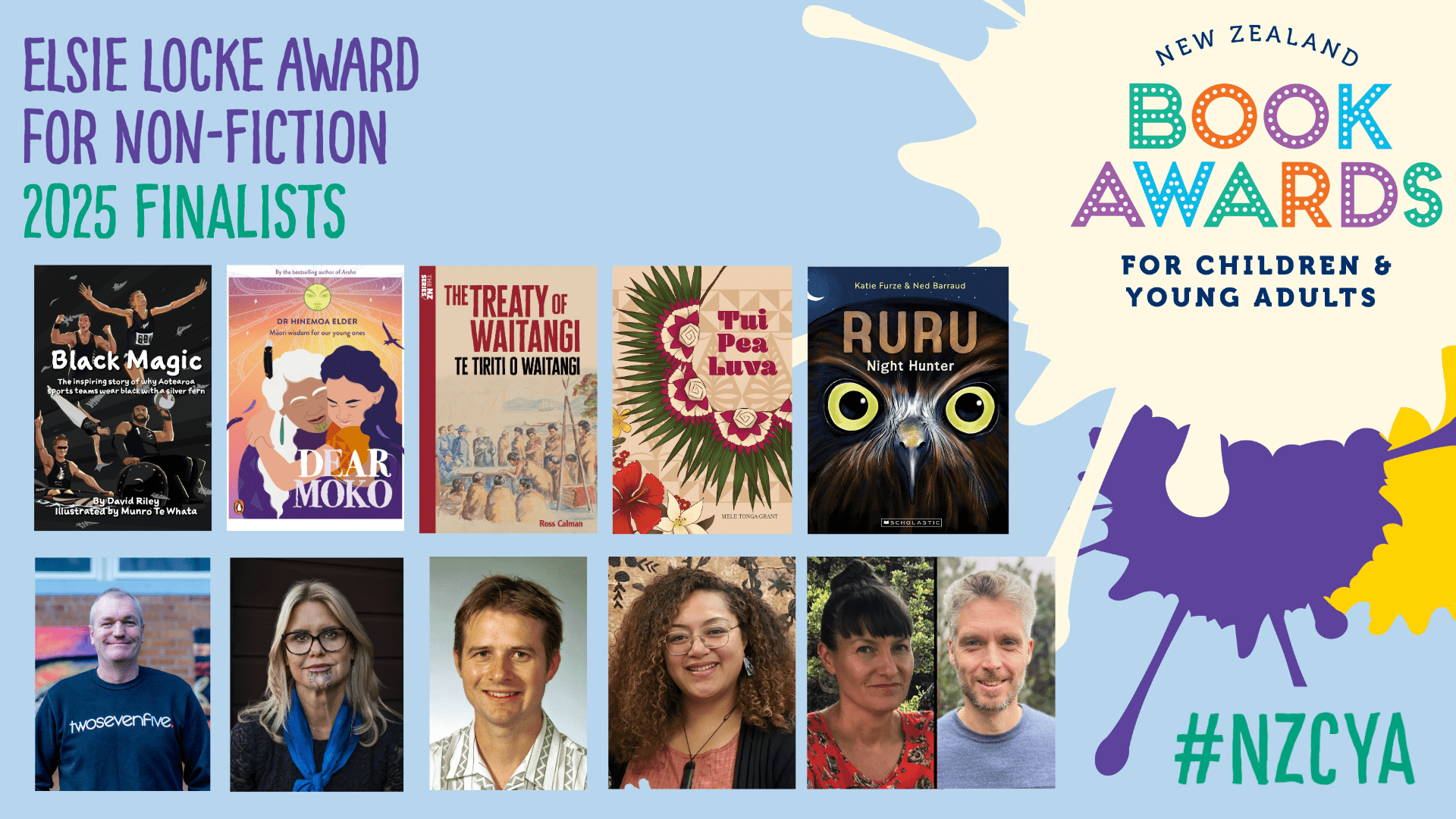
From sport to poetry, ruru to te tiriti, the finalists in this year’s Elsie Locke Award for non-fiction cover a lot of ground. We asked each of the book’s creators what inspired them to put pen to paper.
David Riley
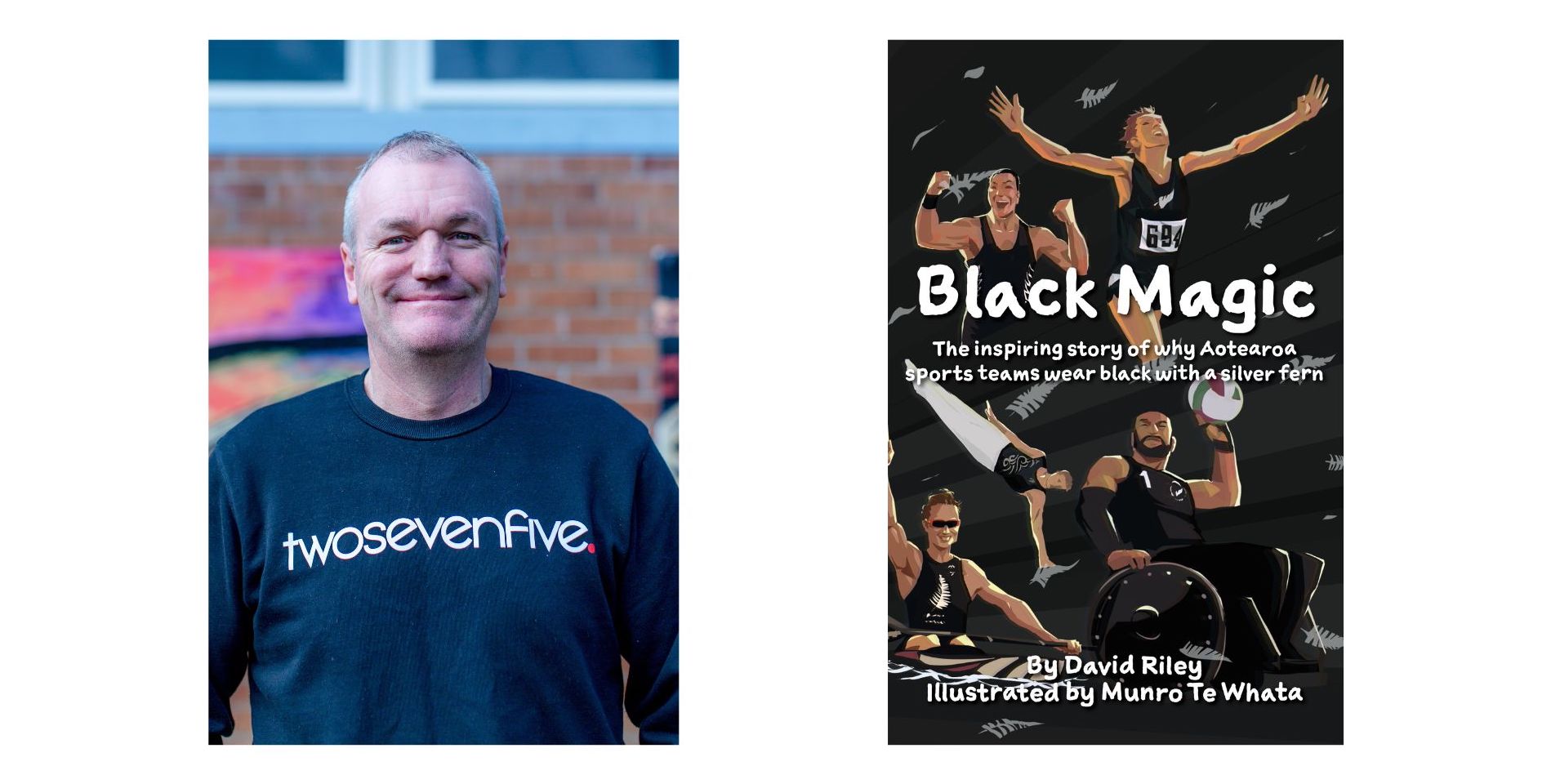
I wrote Black Magic: The Inspiring Story of Why Aotearoa Sports Teams Wear Black with a Silver Fern because I think it’s a story that every Kiwi young person should know. There’s a lot of symbolism in the colour black and the silver fern, which are our national icons, and knowing this symbolism and how it came about adds to the feelings of pride and aspiration they represent. I also wanted to honour Joseph Warbrick, former captain of the New Zealand Natives team, who is a big part of why we have these icons yet not many people know about him and what he did. I think it’s important for a nation to know the stories of people who did things that we see reflected in our world today and who left an amazing legacy. This book is for every Kiwi young person, because this is related to some of our national icons.
Hinemoa Elder
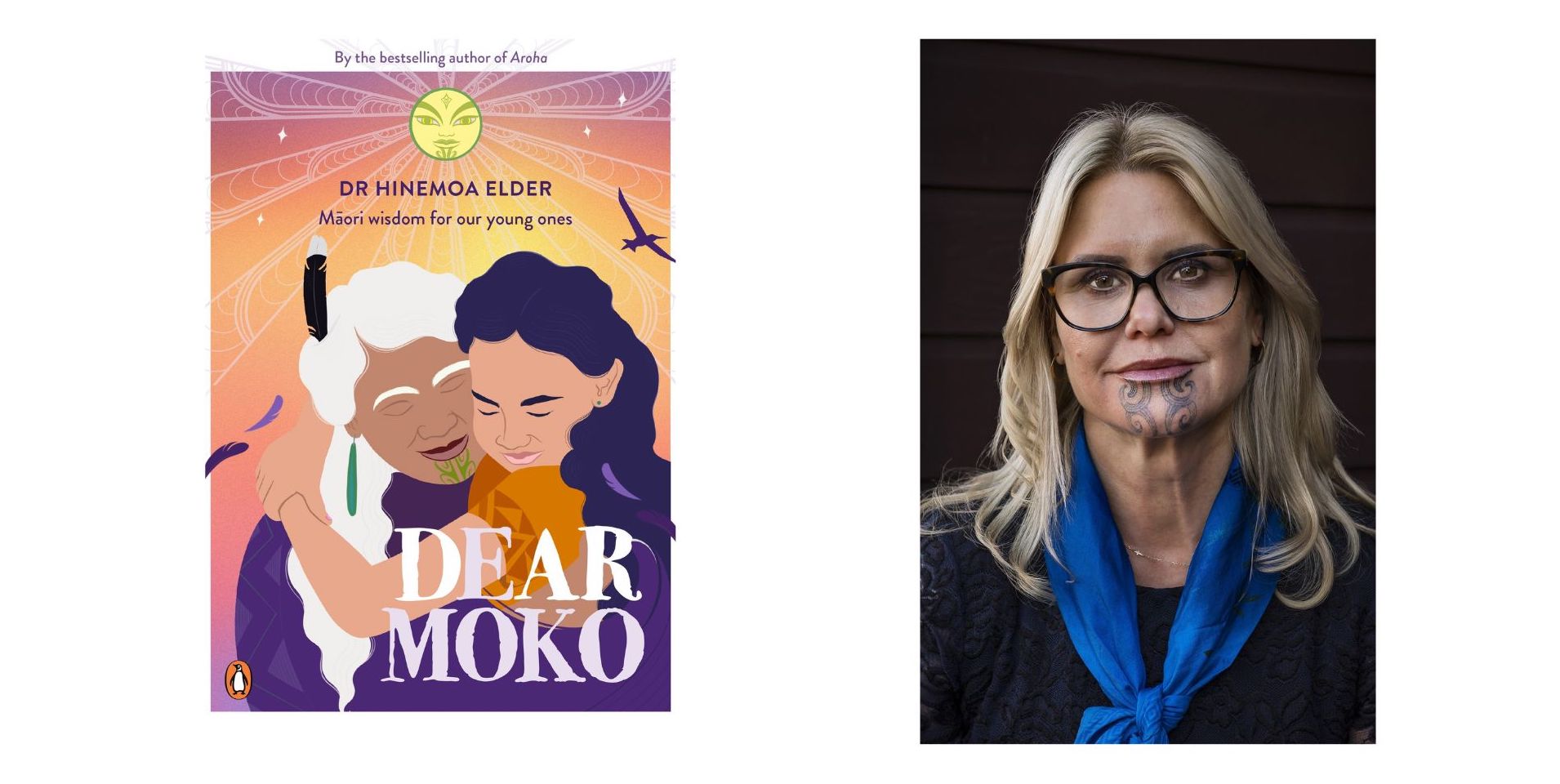
E Moko has been inspired by tamariki mokopuna I know. These are the kids in my whānau; my own kids are mokopuna, I am one too, my nephews’ and nieces’ tamariki, my cousins’ tamariki, my colleagues’ young ones, and the mokopuna I work with every day.
Our world is changing so rapidly, our lives are unpredictable and at times terrifying. I wanted to create a book that takes us all into a safe and playful mokopuna realm. A place immersed in the natural world, a place of curiosity and of tough questions. Steeped in aroha and in a determination to see through the eyes of mokopuna of the past. Mokopuna are the carriers of superpowers, ready and waiting. This book is my attempt to remind us all that we can unleash those superpowers.
We are all someone’s moko. In fact we are mokopuna to many. Writing this book was my way of reaching out to the mokopuna inside all of us. To unite us as mokopuna. Reading the book, talking about the stories, their different perspectives, thinking about the ideas the book ignites. Adding a little more to the legacy that we hand on to mokopuna of the future.
Katie Furze and Ned Barraud
I’ve always adored ruru—they’re feisty, full of character, and I love their distinctive call that we all know so well: ‘More-pork, More-pork!’. I remember hearing them at night when I was a child and wondering what on earth was making that strange sound. I wanted to create a book that gives children a peek into the nocturnal world of our very special native owl.
On a recent school visit I was explaining this inspiration to a group of year threes. One of the tamariki said, ‘Oh, so the child in the book is really you?’. I hadn’t thought of it this way, but he was quite right—kids are so smart!
When I started to think seriously about writing the story, I realised ruru are loved by many New Zealanders because they live in our communities as well as in the wild. And, of course, ruru are extremely important in Māori culture. I decided it was about time someone wrote a book about them.
Katie Furze
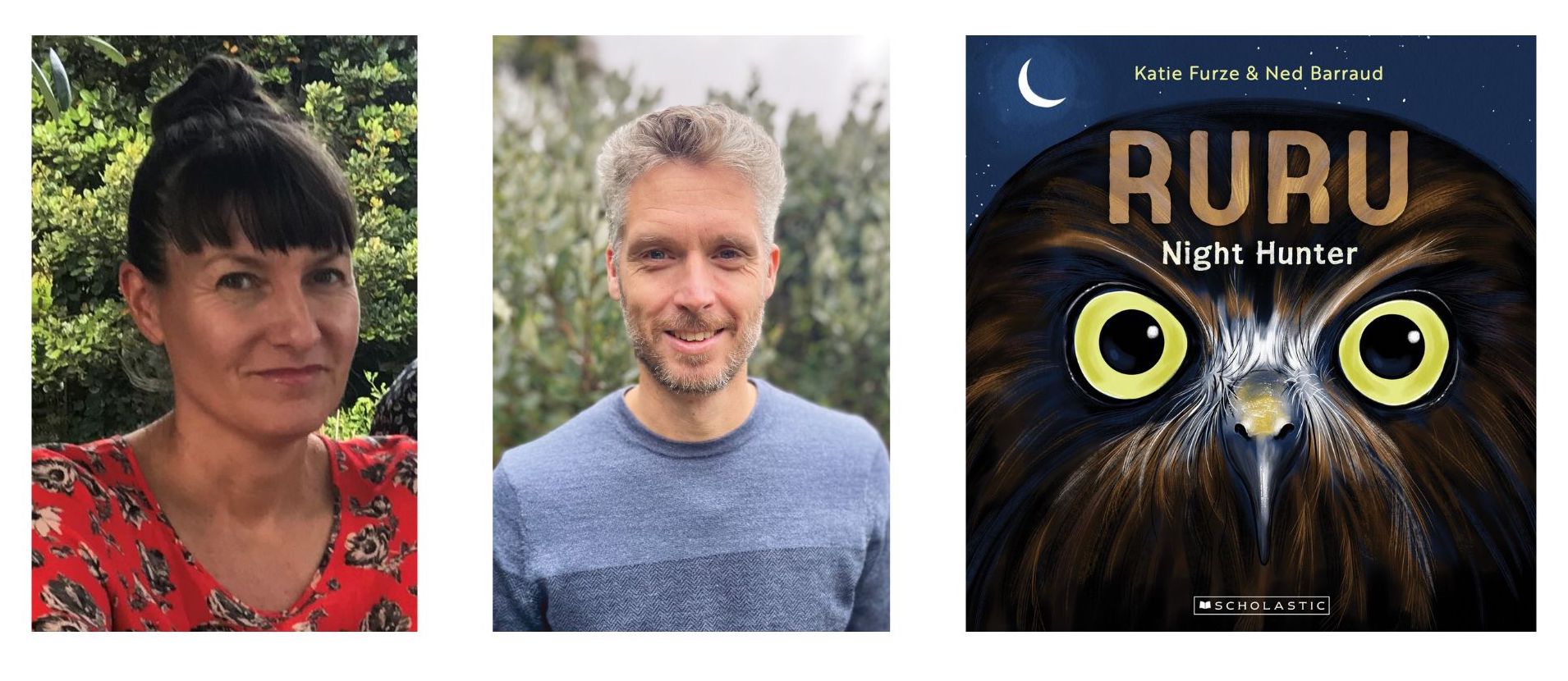
It felt incredibly fortuitous when Katie came up with the idea of doing a book about ruru. They’ve long been one of my absolute favourite birds, and I’d been hoping for the chance to illustrate a story about them for years. By lucky coincidence, a family of ruru had recently taken up residence in the hedge next to our house in Karori, Wellington. Every evening, I’d step outside and hear them calling just metres away. I even have a fairly convincing ruru call of my own, and after a while, I began to feel like part of their world (that’s probably not how they felt).
Sometimes I’d spot them perched silently on the power line before launching into the night with that incredible, soundless flight that only owls have. Observing them so closely made this project feel more real, and it gave me a sense of connection as I worked on the illustrations.
Helping to create Ruru: Night Hunter has been a dream come true. I’m absolutely thrilled with how the finished book looks—it’s everything I could have hoped for in a story about this magnificent, mysterious bird.
Ned Barraud
Mele Tonga-Grant
I wanted to be able to capture and tell my story in a way that my daughter, and other daughters of the Pacific, could connect to, understand and also gain a different perspective of the role of the women in their lives. For me, the analogy of the kahoa kakala (flower garland) was a perfect way to bring together an artform my mamas excel in (kahoa making), the village we are from—Tatakamotonga (also known as Kolokakala, the town of sweet fragrance)—and put them in it, as the flowers.
This is a form of sharing my whakapapa and the learning I have gained from my mothers and also what I hope for my daughters to learn from.

Ross Calman
Two well-known whakataukī (sayings) spring to mind, when I consider the inspiration for writing my book. One from te ao Māori (the Māori world) and the other from te ao Pākehā (the Western world). They are phrased in different ways, but both convey similar ideas.
The Māori whakataukī is: ‘Ko te kai a te rangatira, he kōrero’. This can be translated as, ‘A chief’s sustenance is information’.
The saying known widely in te ao Pākehā is, ‘Knowledge is power’.
So much has been written and spoken about Te Tiriti o Waitangi / the Treaty of Waitangi that it can be a very confusing subject to get your head around. I wrote this book so that everyone, from students through to kaumātua (older people), can gain a baseline understanding of this key aspect of our nation’s history. I love how Te Tiriti / the Treaty continues to be relevant today, more than 180 years after it was first agreed to.
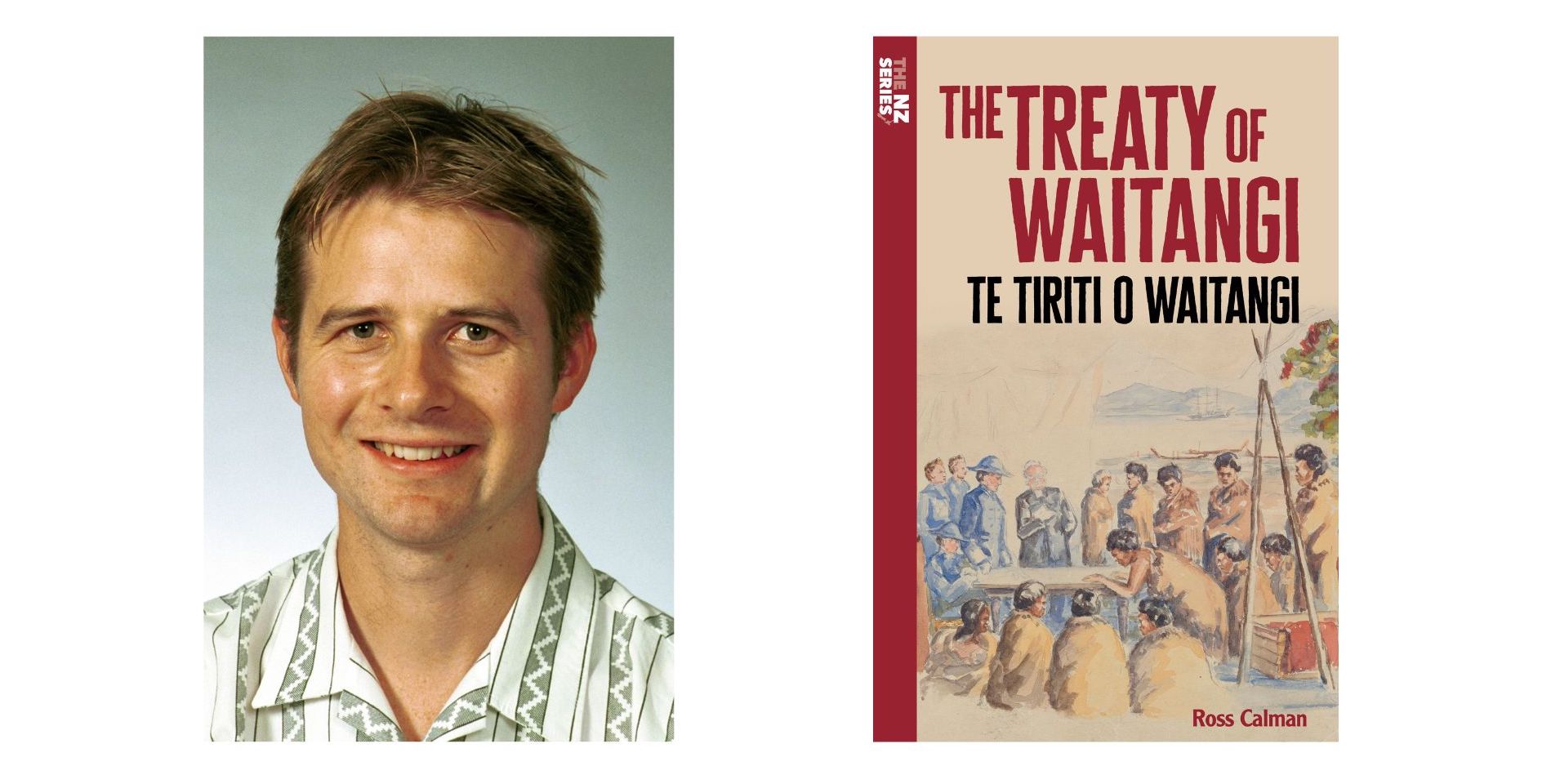
Another thing I wanted to convey is some of the complexity of interpreting the past; as I write in the introduction: ‘There is not just one story, but many. This makes history difficult to grasp at times: there is what happened in the past, why it happened and what it means for us today.’
This book is my attempt at providing a little knowledge, or perhaps I should say, a little sustenance on this important aspect of our history, hopefully in an engaging way!