



Cassie Hart reviews new junior fiction novels from Sherryl Clark and Lauren Middleton.
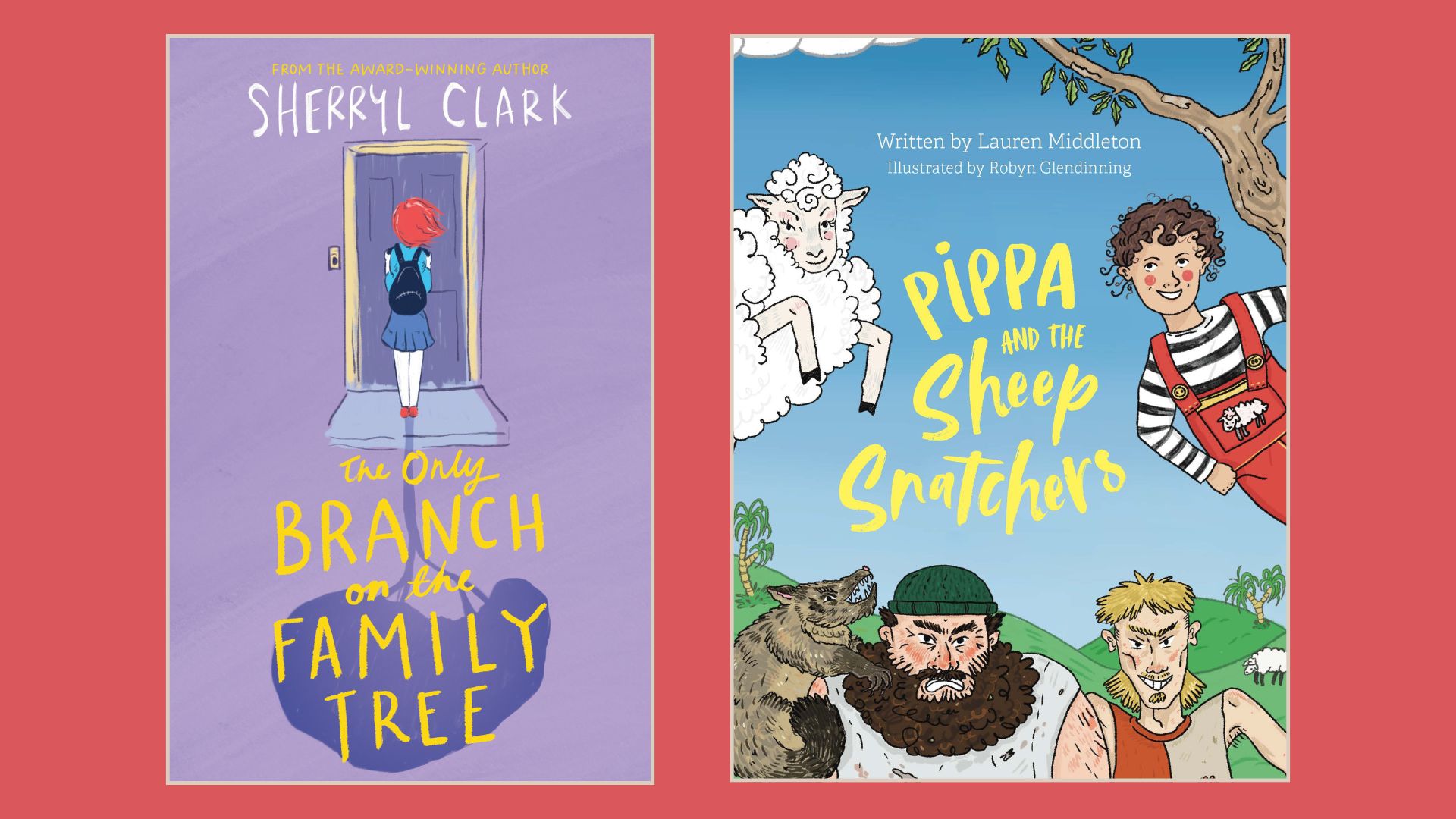
The Only Branch on the Family Tree, by Sherryl Clark
This verse novel comes from the experienced hand of Sherryl Clark, who is based in New Zealand but published out of Australia (where she has been awarded the Prime Minister’s Literary Award). Gemma loves her family of two—her and her mother, as close as best friends—until a school project makes her realise just how uncommon such a small family unit is. It’s not until Gemma goes digging for some more photos to use in her project that she discovers she has a living grandmother that her mother has never told her about. Doubt and confusion follow, along with a desperate desire to meet this family member she’s been denied access to her whole life.
The Only Branch on the Family Tree broaches the delicate topic of family estrangement in a gentle, lyrical way, with a school project that has been known to cause grief and uncertainty in some children—the creation of a family tree—as it highlights the way that their situation might not match up to what is considered ‘normal’, while also suggesting that there is no normal by mentioning that other peoples ‘trees’ were rainbows or houses.
With bravery and determination, Gemma sets about finding her way to her grandmother’s door and, while their initial meeting exceeds her hopes, it’s what comes after that proves the most challenging. There is a rift between her mother and grandmother, and neither of them are ready to talk about it.
While trying to get to grips with this new reality, Gemma’s friend asks her if she’s okay. She thinks to herself:
‘It’s too big to explain
I need to wait
Until the huge bucket of words
Gets a bit smaller
And I can let some out
Safely’
This captures the way that some feelings are too much to talk about until you’ve managed to process them for a bit longer. It was lovely to see that this was okay for Gemma to do; she wasn’t being forced to talk about how she was feeling before she was ready. In fact, there was a lot of grace for all the characters in the book, which was beautiful.
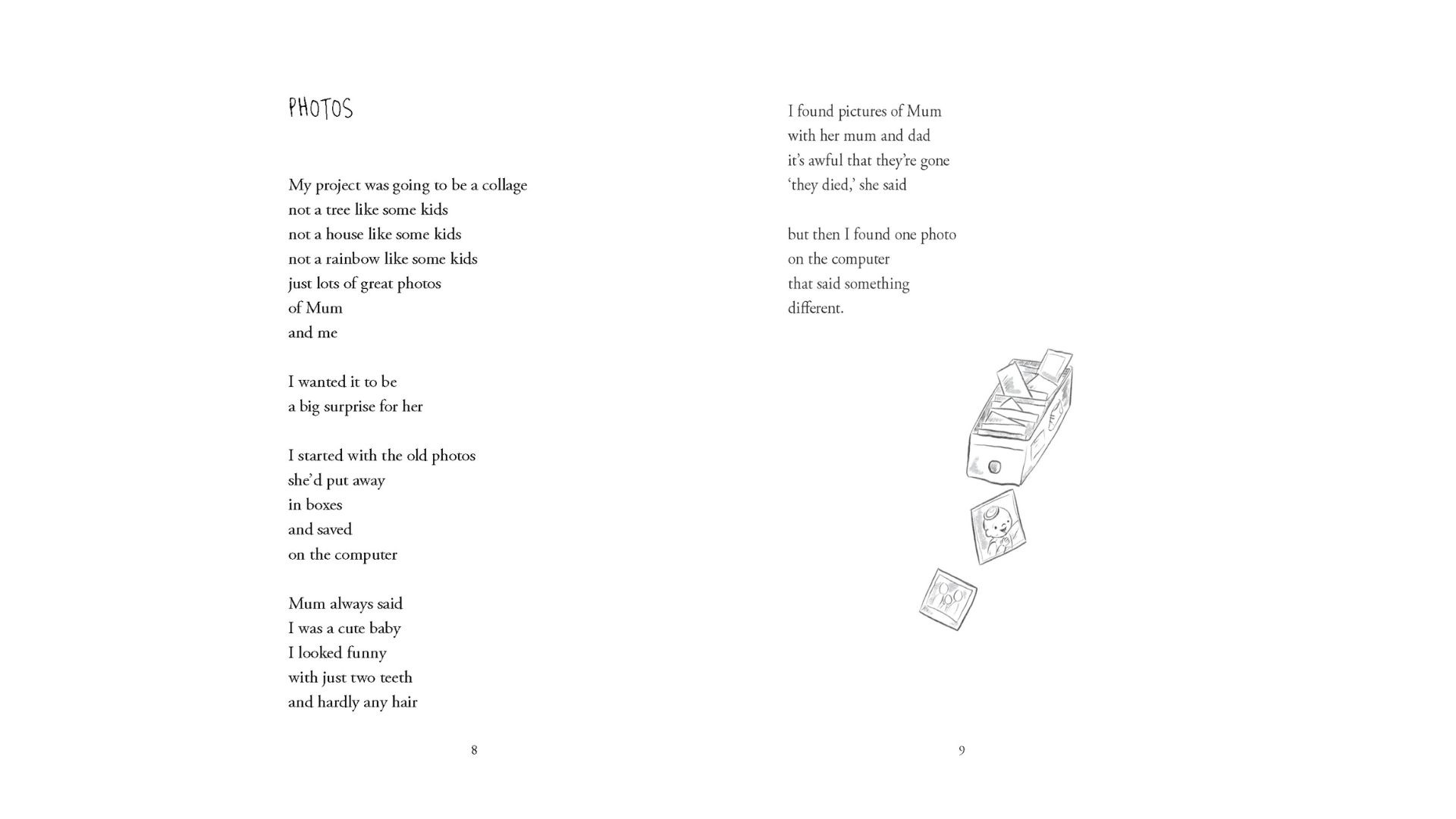
I really appreciated that there were no details about the fall out, because these situations can be very complicated, and not something that young children will necessarily be able to understand until they are older. The rift doesn’t make sense to Gemma, and this feels realistic. Clark demonstrates both adults taking some blame for the hurt between them, role-modelling ownership of their actions, and also respectful behavior, because neither the mother nor the grandmother are calling names or throwing blame at the other party.
The book felt realistic in that it doesn’t provide a tidy happy ending, though it is a hopeful one. The family members love Gemma so much that they are willing to find a way to allow her to develop the relationship with her grandmother that she craves, even though the wounds haven’t been healed.
Clark describes several different versions of the family ‘tree’ in the book, showing that lots of them weren’t actually trees at all. Gemma finds strength in building her ‘tree’ the way that she wants to—the way that works best for her—which shows us that we have a choice, even in situations where it feels like there isn’t much of one.
Sometimes we have to have hard conversations, and sometimes it feels like things get worse before they get better.
Sherryl Clark has had a long writing career and is experienced in the verse novel, which I think was a particularly good choice for this subject. She is masterful in the way that she can weave such depth and complexity with so few words (and in this case, bring me to tears at the end), allowing room for the reader to fill in the spaces themselves, to feel the emotion within the pages.

Pippa and the Sheep Snatchers, by Lauren Middleton, illustrated by Robyn Glendinning
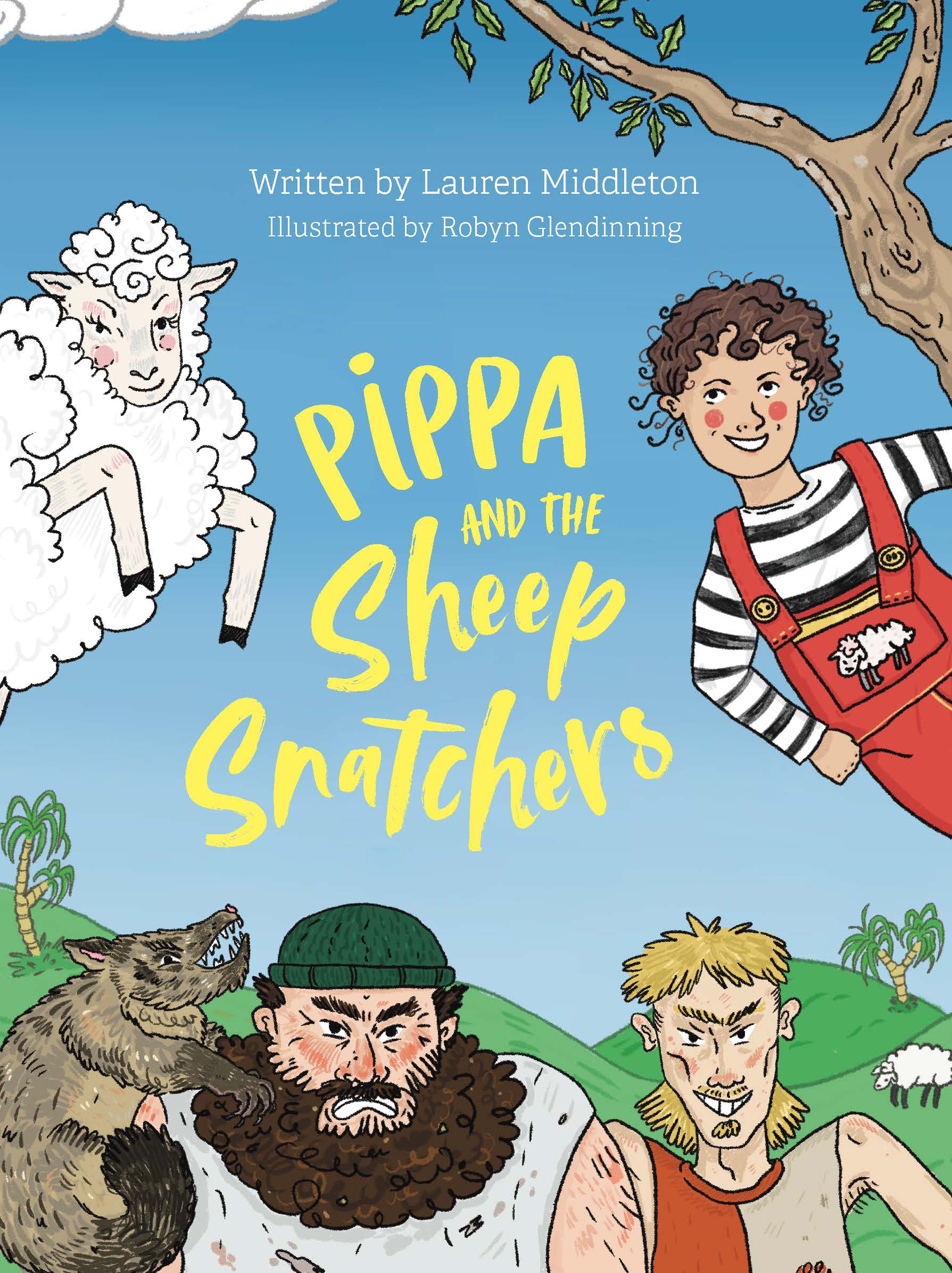
When Pippa’s best friend, a sheep called Lulabelle, is abducted, this brave girl sets out on a mission to find and save her. Pippa and the Sheep Snatchers is an adventurous tale with a cast of memorable and wacky characters that children will no doubt delight in.
The characters are larger than life, though at times they lean into older stereotypes of villains with large bodies who are smelly or ‘other’ in some way. That said, I know that kids will think that Gumboot Gary and Digger Dan are hilarious with their antics.
Aside from these two villains there is the one eyed possum (Paul) who is terrorising a local woman, Claire Perry, whose outrage is a thread that runs through the entire book, ending in the possum showing her exactly what he thinks. We have the local police officer, who still seems to be getting to grips with his role in the town, but actually listens to Pippa rather than dismissing her outright, which was great to see as so often children are dismissed by authority figures in books.
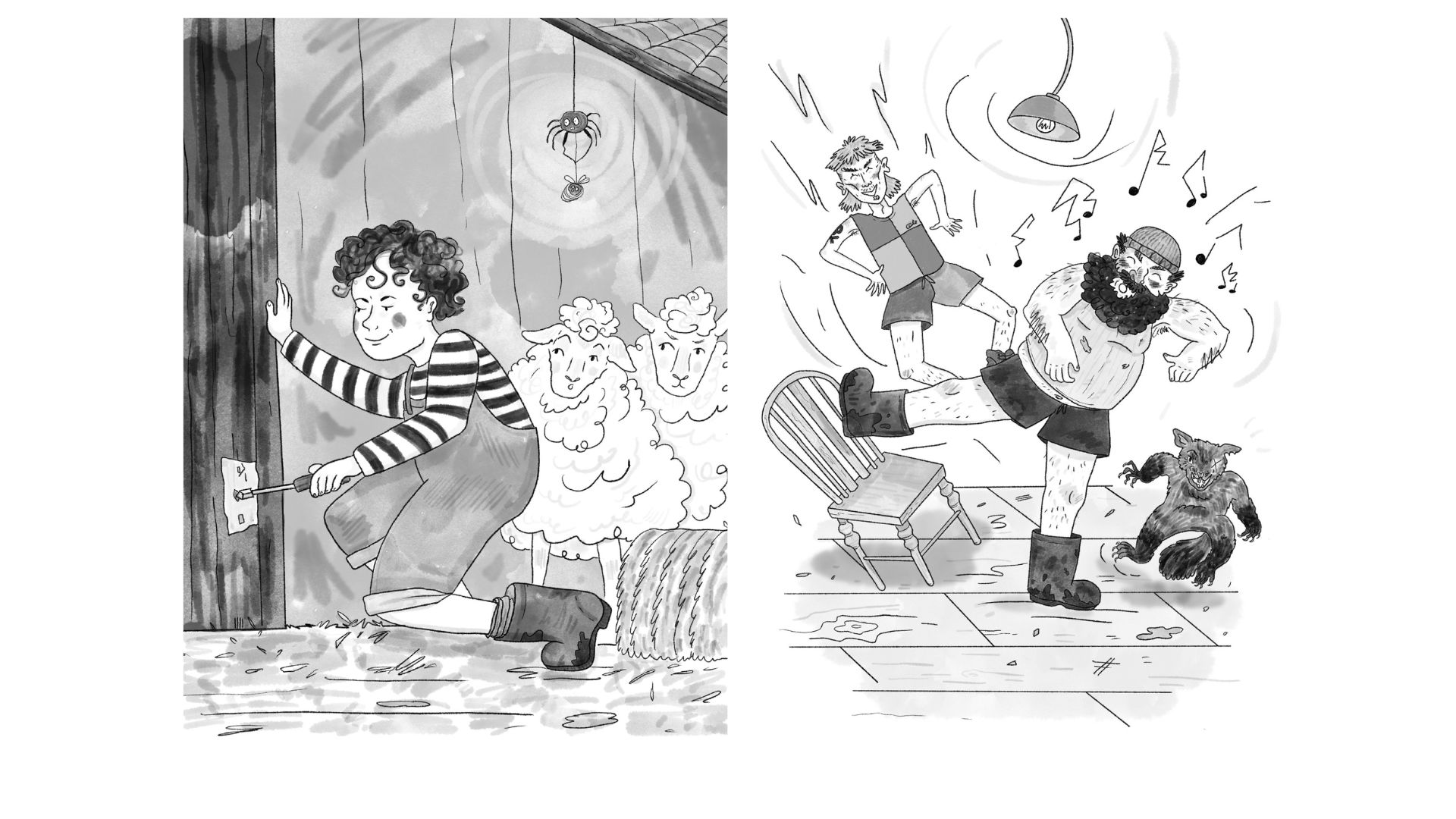
Pippa is a bold girl, who isn’t afraid to get amongst things. She shows just how far she will go for Lulubelle, and models loyal friendship to the extreme. Lulabelle returns in kind with her escape and determination to get help for Pippa when she needs it. The final struggle of the book is hilarious and over-the-top, and I think will have many kids laughing out loud at the actions of all involved.
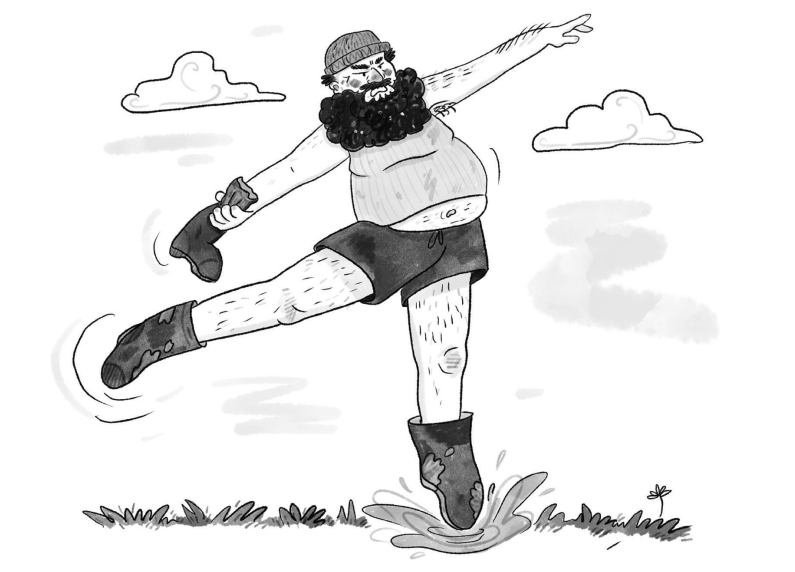
There are some nice contrasts in the book—Gary might be fat and bad, but he also has the grace of a ballerina in the gumboot toss; Dan might be stinky, but he is also the fastest sheep shearer in town. It makes me wonder why the two of them didn’t find something more fulfilling to do with their lives than trying to come up with plans for how to rip others off and make a quick buck.
Alongside this there is also a background commentary on possums and the threat they pose to the environment (and Claire Perry’s mood). It’s not shoved in your face, but I liked that it was raised as it is a real issue that farmers and national parks have to deal with.
The illustrations by Robyn Glendinning add much to the story, really capturing the characters and bringing a range of scenes to life. I particularly enjoyed the cast portraits at the beginning of the book as a way to introduce the main players and the files of various criminals in town that we see when Pippa goes to the police station. There are many humorous drawings to enjoy.
There is also a lot of variation in the text formatting, adding emphasis to loud noises and the like, as well as footnotes which will make the reader giggle—lots of disclaimers and explanations, and extra details for the curious mind.
Middleton brings the town of Dargaville to life in these pages and shows the country lifestyle in a way that feels realistic, but that I know a lot of children don’t have access to today. I can imagine that there is a lot more to come from Middleton’s version of this little town, and more adventures for Pippa and Lulabelle in the works. While this is the author’s debut children’s book, it is the perfect set up for many a story to come.
Pippa and the Sheep Snatchers
Lauren Middleton
Illustrated by Robyn Glendinning
David Bateman
$22.99

Cassie Hart
Cassie Hart (Kāi Tahu) is an award-winning author of speculative fiction. She lives nestled between Taranaki Maunga and the ocean, where she nurtures children, cats, and story ideas.