


Ruth Paul on binding the spiritual to the corporeal.
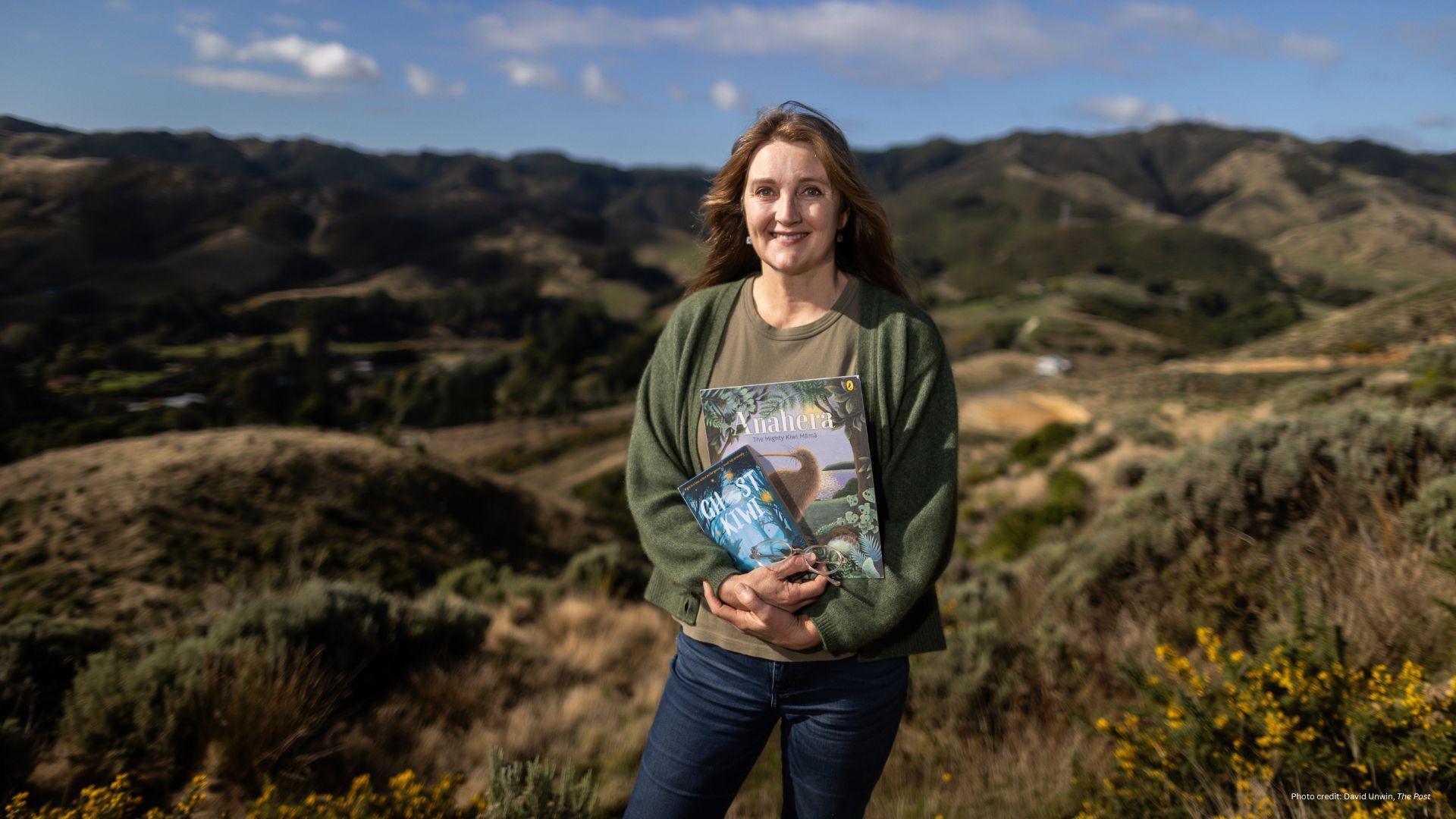
I mean, honestly? Tell you about my working day? I’m no firefighter, politician or midwife. The most exciting thing I do all day, apart from the occasional crossword with 98-year-old Ted, is try to navigate the magnetic force field emitted by my garage.
Once an engineer, my ex-neighbour Ted understands the physics of this repellent force, explaining that I must be an arse-facing magnet and therefore cannot enter it. But also, he says, I should just push through. I’ve seen photos of him wearing a gas-mask in a dugout in his backyard in Karori when he was 15, so I presume he knows his stuff. Having skirted the force field’s perimeter while doing essential early-morning jobs such as making coffee, scrolling Insta, reading Stuff, reading the New York Times, putting the washing on and discovering a new passion for applying shirring-elastic to all my clothing, I gear up, put my head down, and push through to the other side. The reward is small. And cold. A room in which I must light a fire to stay warm and often smells of congealed blood, thanks to the adjacent bathroom shower being used to hang the spoils of hunting. This, dear reader, is my ‘studio’.
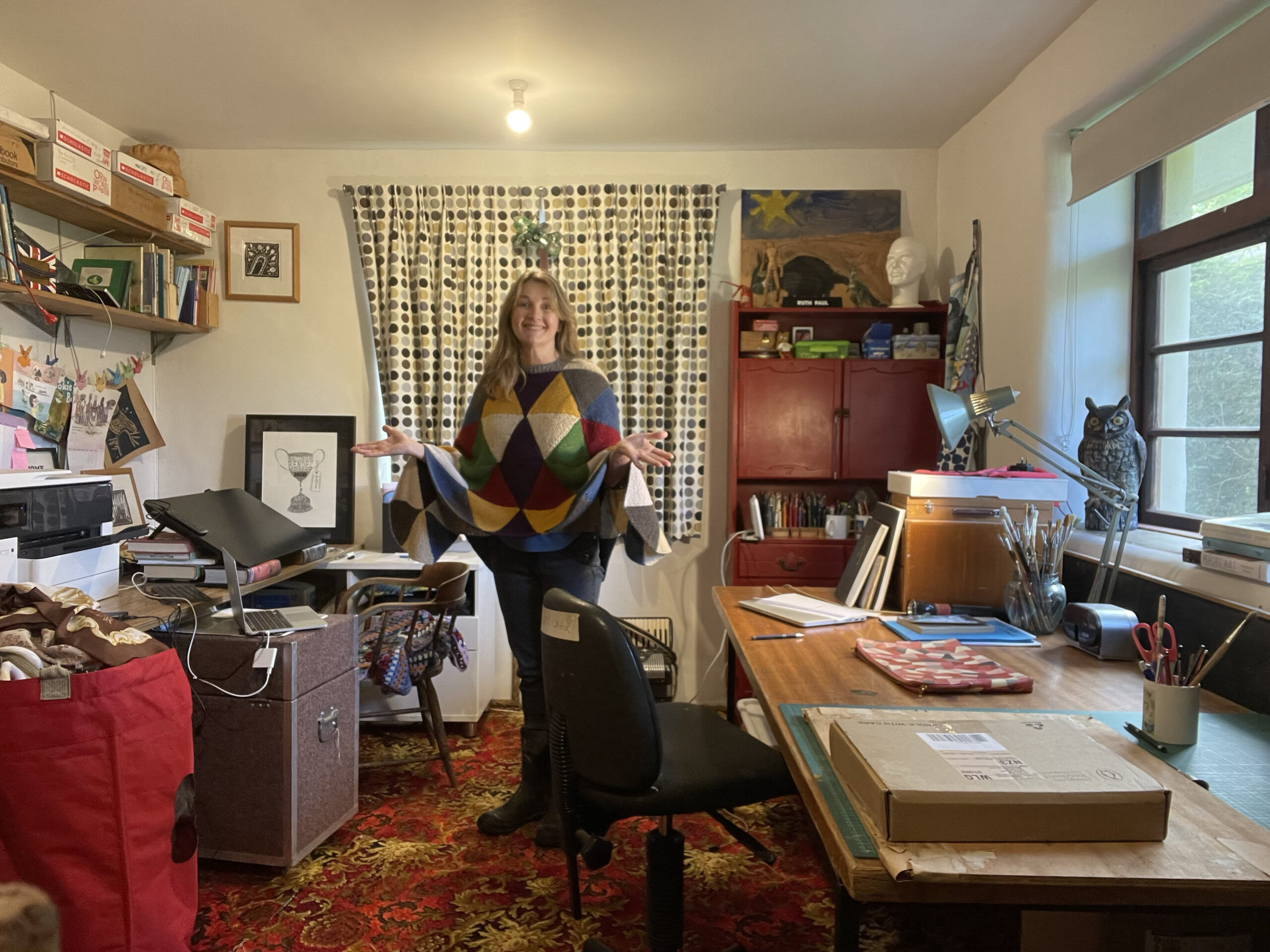
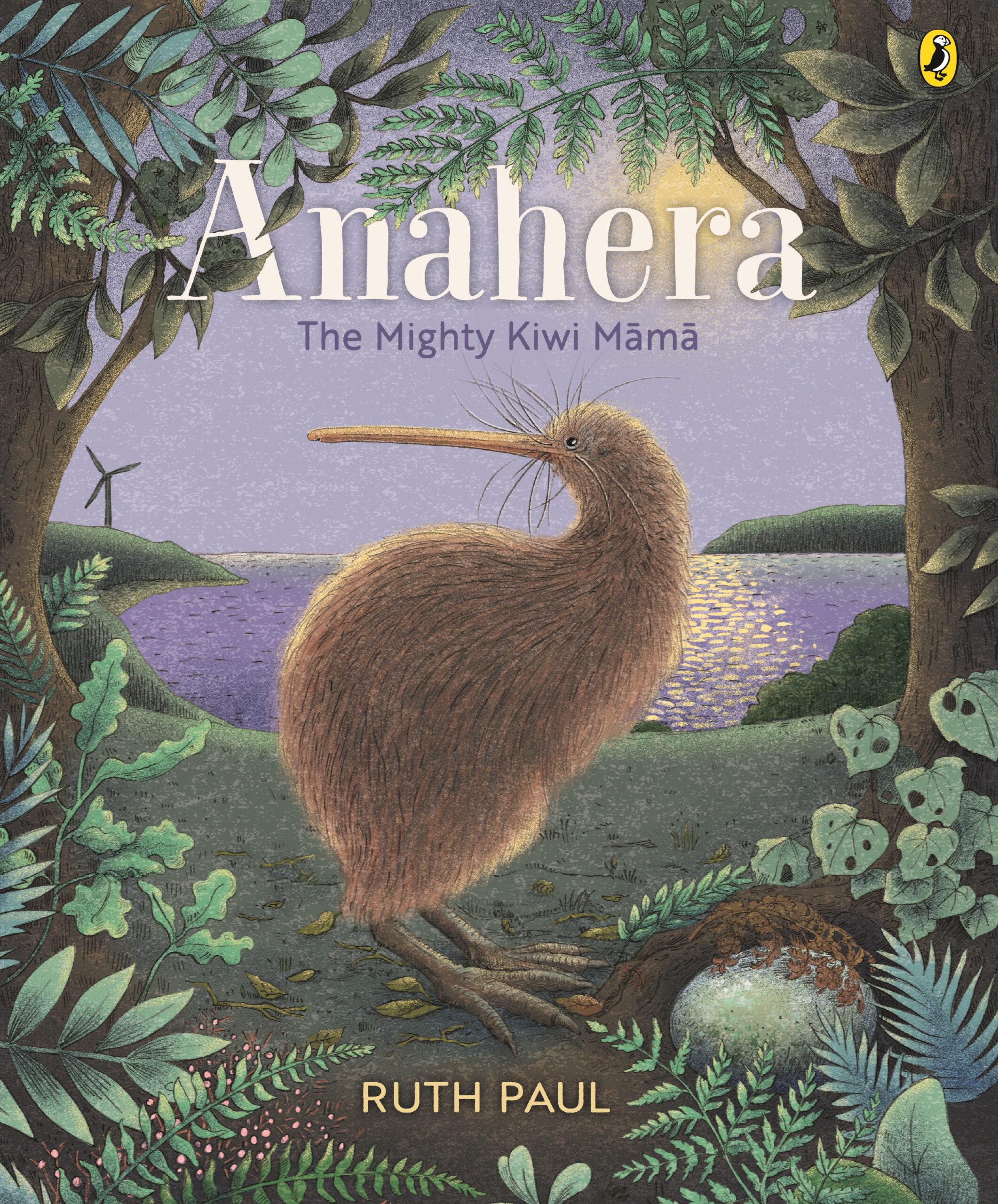
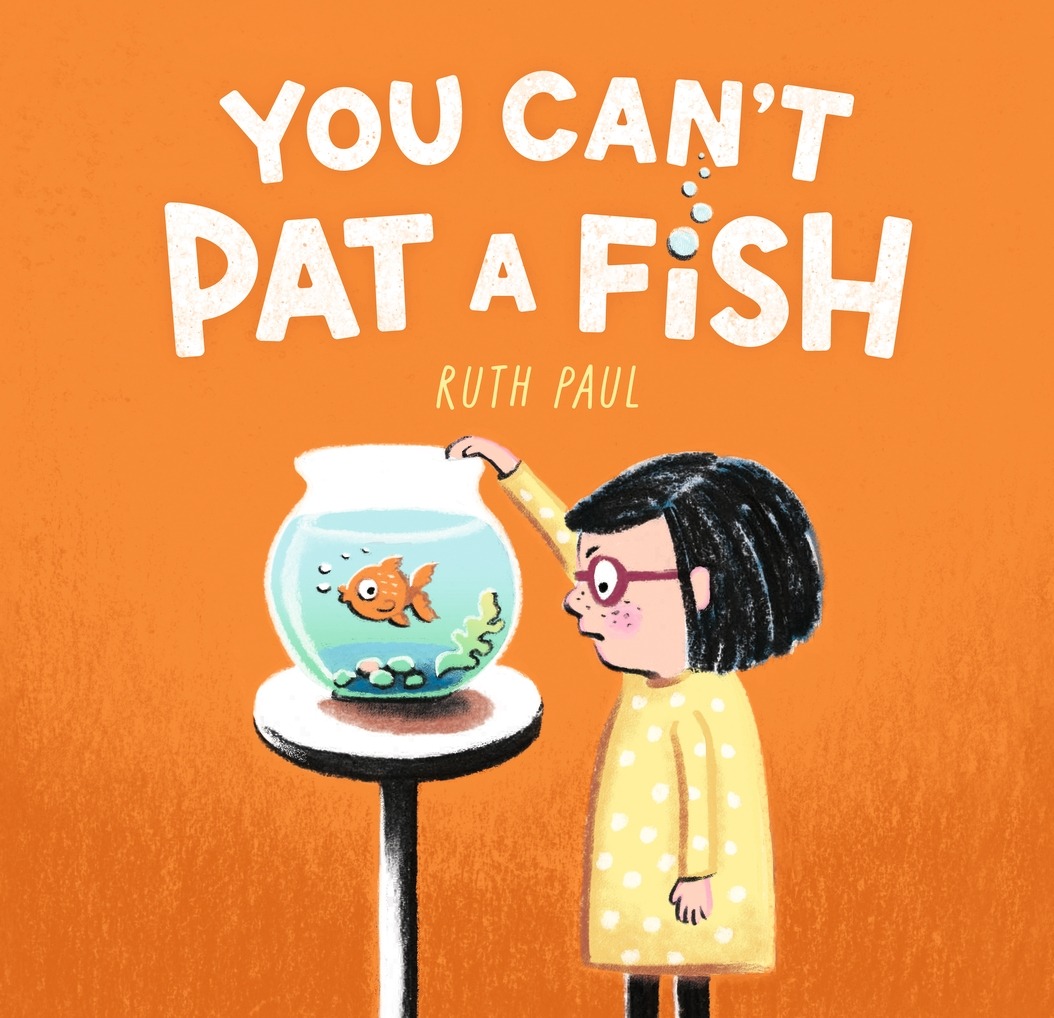
Am I selling it? Perhaps not, but when I’m finally in my studio, aka small scungy room off the garage, I’m perfectly happy. It’s the getting-there that hurts. For the last 18 months I’ve been in there every day working on illustrations for three different picture books – You Can’t Pat a Fish (Walker), Anahera (Penguin Random House) and The Farmer’s Pyjamas (out in 2026 with Walker Books). Illustrating ties me to a desk in this small dark room, whereas the writing part of the deal can happen anywhere, and often does.
The beginnings of stories are usually a surprise to me. All I know is that my radar goes off when I hear or read or see some tiny thing that sparks an idea. More than once I’ve heard words fall out of my mouth as a joke, and then thought ‘Oh, there’s a story!’. I like to think that this is what happens when you have a fertile, composting mind, which is not to be confused with (but sometimes feels like) shit-for-brains.
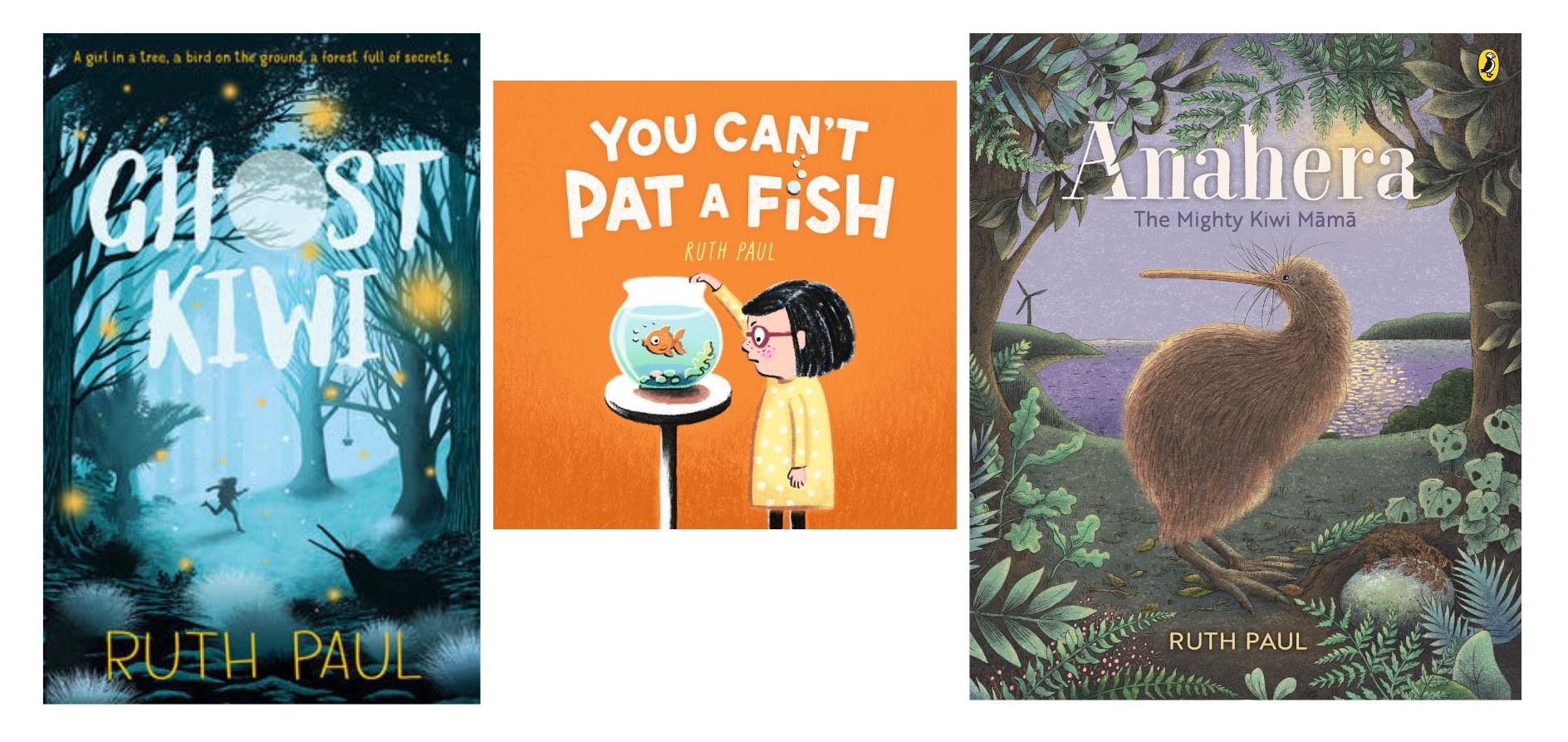
And speaking of brains, having spent my fair share of time rearranging the picture book section in Relay shops at the airport, I’ve always claimed that every fiscally-savvy kids author in NZ needs a ‘kiwi’ book. But I never thought I’d actually write one, let alone two. Not until the audacious Capital Kiwi project turned up with their moon-shot idea to rewild the western hills of my hometown with kiwi, and the unlikely manu moved into my head as well as my forest.
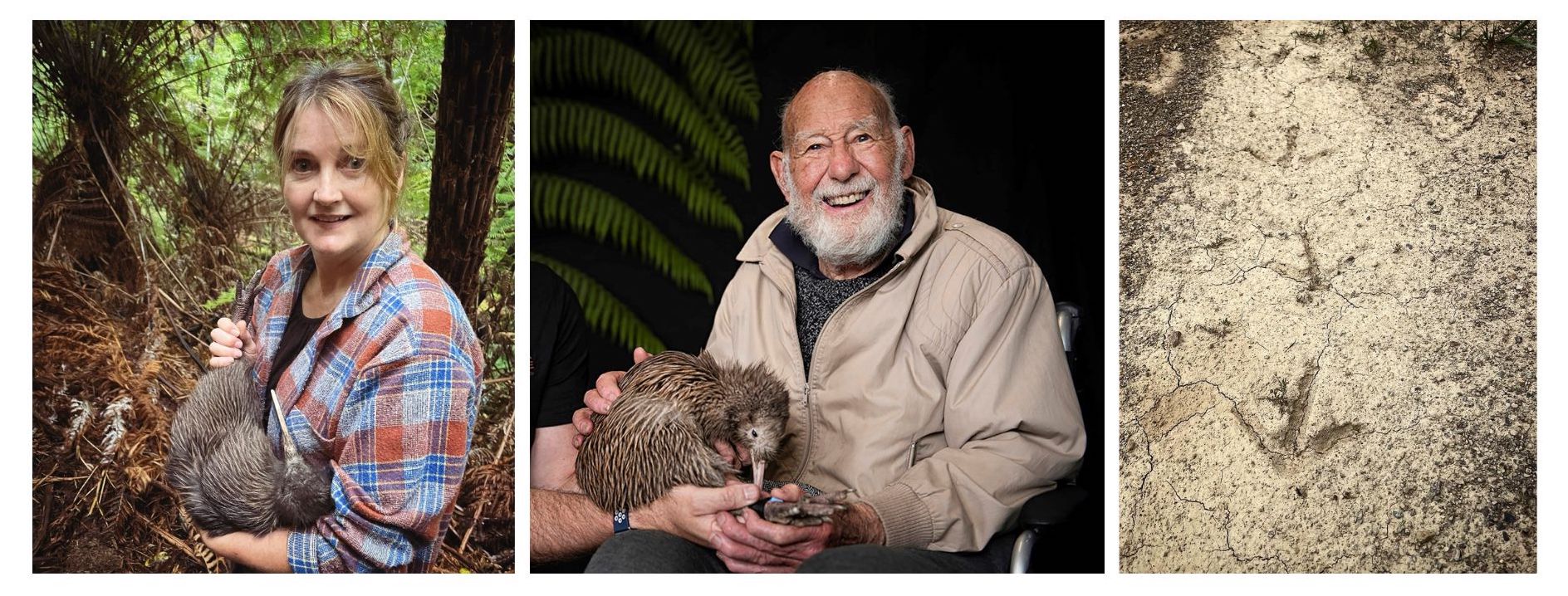
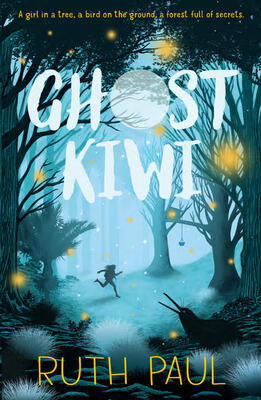
Anahera, the Mighty Kiwi Māmā results from an encounter with Anahera herself at a pōwhiri at Mākara School. I didn’t pursue the idea of telling her story ‘til a lot later, when I knew I had the support of her kaitiaki. I travelled to Ōtorohanga Kiwi House a number of times, which was well worth it, not least for the fascinating conversation about kiwi sex which never made it into the final book but which I can tell you all about for a small fee if you DM me. (See, I am fiscally-aware!) I annoyed Capital Kiwi with many strange questions, and even attended kiwi-aversion training for dogs, without a dog. While doing this, one book segued into two and I started writing a longer piece that eventually became Ghost Kiwi. Turns out that one creative idea can trigger another, and another. Thank you Capital Kiwi for getting the pinball rolling.
With picture books I write the story first and illustrate second, as there seems little point in working out the complex visuals of a story that’s yet to change. In this blossoming era of AI, I’m finding myself falling back to drawing with a pencil or charcoal on paper to find a more original way of expressing the images. The forcefield is at its strongest when I start to illustrate because that is when the possibility of failure peaks: that place where you bind the spiritual to the corporeal. An un-drawn picture is so much better in the mind, a book so beautiful before you commit it to paper! I stumble around and try to find a style or a ‘way’ of making the images that best suits the story, which is an iterative process involving a lot of trial and error. I always want to stop before I start, but remind myself of all the imperfect picture books that I love dearly, so (I hear you, Ted) I push through.
As for Ghost Kiwi, I took myself on a self-taught writing course that included doing everything wrong, then throwing most of my first draft away and starting again. It was a very obsessive experience, akin to thrashing around in a large vat of cream until I finally raised a butter sculpture of a rearing horse. I’m scared to look too closely at the horse in case it’s missing a leg or an ear, but nonetheless, I remind myself that completing the task is an achievement.
An un-drawn picture is so much better in the mind, a book so beautiful before you commit it to paper!
Working with three of the big trade publishers in this part of the world over the same period, Scholastic (the patience of saints!), Penguin Random House (the airport billboards!), and Walker (the hardcovers!) I can vouch for them all. None of them have it easy. They have new physics of their own to deal with, not least of which is AI and a diminishing readership. An offer to publish is a vote of confidence, and not something I take lightly. Yes, that’s me you see atop the butter horse, waving a triumphant flag!
But back to the subject of this essay. Up until March, an average day for me went like this: avoid the force field at all costs; push through; avoid the novel by illustrating while listening to RNZ or podcasts; avoid illustration by tweaking Ghost Kiwi; avoid both by chasing down wilding pine trees; avoid all of it by walking with friends and talking about their travails instead. Currently, I have a new kind of day, one in which I am doing many other things while supposedly inventing new work. Ted doesn’t understand this. He says I’m unemployed. He can’t understand why I don’t want to run for Council or project manage the raising of an ancient anchor from the seabed using a raft made of 8 slashed-together 40-gallon drums that he plans to whip up in the rest home garden.
‘The act of deliberative thinking,’ I say to Ted. ‘What I’m doing now. 10 letters starting with C’.
Ruth Paul
Ruth Paul is a picture book and mid-grade author and illustrator. The first publication she wrote as well as illustrated was The Animal Undie Ball (Scholastic, 2004) which has recently celebrated its 20th anniversary edition. She has since written and/or illustrated 28 children’s books. I Am Jellyfish and Lion Guards the Cake both won Picture Book of the Year at the NZ Book Awards for Children and Young Adults, in 2019 and 2022 respectively. Ruth was a recipient of the 2019 NZ Arts Foundation Mallinson Rendel Laureate Award for Illustration, and the 2023 Otago University Creative New Zealand Children’s Writer in Residence Fellowship. Ruth lives on a farm near Te Whanganui-a-Tara, Well